
Then, in 2023, something began to go wrong. According to The Grocer, the major retailers’ meat substitute lines dropped by about 11% in just six months. Over a two year period, sales of plant based beef fell by 26% due to consumers’ concerns over ingredient lists that most people couldn’t pronounce and the 77% price premium. Meanwhile, tempeh and tofu continued to expand. Almost everything is revealed by that detail.
The same reasoning applies to the shift in pub menus, but it’s quieter and slower. Pubs can’t afford to keep a freezer full of branded patties that customers no longer trust since they have narrow profit margins. You can’t get a roasted cauliflower with toasted seeds, lentils, and caper butter from a wholesaler. The pub seems to have succeeded. People don’t realize how important that feeling of authorship is.
| Key Information | Details |
|---|---|
| Topic | Shift from fake meat to whole vegetable dishes on UK pub menus |
| Sector | UK hospitality, pub & gastropub trade |
| Period of Major Shift | 2023 – 2026 |
| Plant-Based Meat Sales (UK, 2-yr fall to 2023) | Down 26% |
| Consumers Concerned About Ultra-Processed Food (FSA, 2024) | 77% |
| UK Adults Eating More Vegetables vs. 5 Years Ago | 46% |
| Vegan Options on Pub Menus (2023–2024) | Down 3% (replaced by vegetable-led dishes) |
| Notable Operators in Shift | Fuller’s, Three Horseshoes (Kent), Spread Eagle (Hackney) |
Beneath this lies a health story as well. In 2024, the Food Standards Agency discovered that 77% of UK consumers expressed concern about ultra processed food, with 42% saying they were extremely concerned. In the past year, 40% have reduced their consumption of processed foods. The word “beyond” doesn’t always seem idealistic when a customer reads “Beyond Burger” on a menu these days. It sounds manufactured.
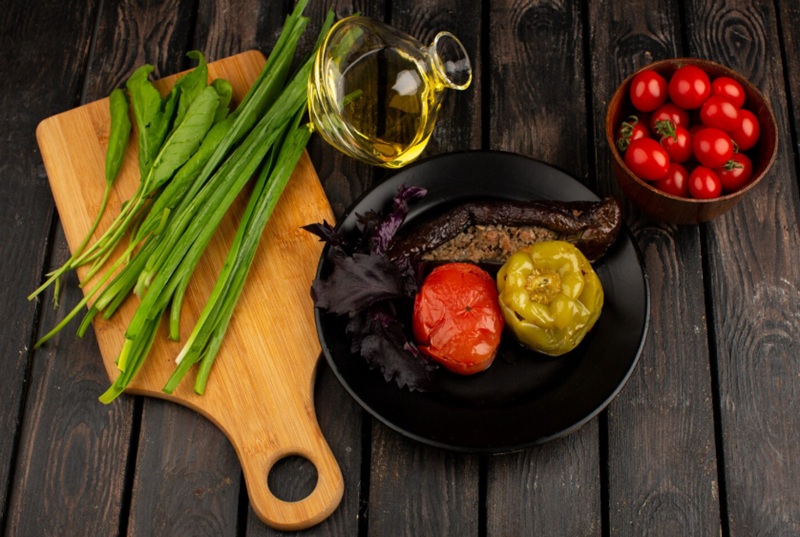
Whole veggies are free of such burden. When a bar patron sees “charred aubergine, baba ganoush, spiced couscous”, they can see the dish, practically smell it, and feel as though they know what they’re getting. It is difficult to produce and much more difficult to imitate that level of legibility. The addition of beetroot croquettes, squash tacos, and pea hummus to the bar menu is an attempt by a pub kitchen to provide a plant based choice that seems like the establishment’s own creation rather than a corporate add on.
Price conveys a similar message. Energy prices, labor costs, and wary consumers who are still cutting back on their spending are putting pressure on operators. Customers can tell that a bought in imitation burger is more expensive than the real thing. A pie with mushrooms and ale or a braised butter bean cassoulet can command a reasonable price because the chef is clearly working hard. The craftsmanship has a margin that the unboxing does not.
Chefs in bars are embracing this. Local allotment produce and what vendors refer to as “wonky veg” are used at The Three Horseshoes in Kent, where excess is turned into purées, oils, and garnishes. Green pea hummus and whipped feta dip are currently Fuller’s best selling items. It’s share the table, small plate food. Additionally, it moves smoothly through Sunday afternoon, lunch, supper, and snack time. A phony burger is merely a burger. You can use a roasted cauliflower as a topping, side dish, main course, or beginning.
There’s also a cultural component worth mentioning. A certain type of trust that is familiar, local, and a little worn in has long been marketed in British pubs. Customers are asked to trust a method via fake flesh. They are asked to trust an ingredient by whole vegetables. These transactions are not at all the same. Additionally, the bar that talks about its carrots, kitchen garden, and nearby farm has a more compelling tale than the pub that talks about their branded burger at a time when 26% of British customers claim they are deliberately purchasing more local and seasonal food.
Saying that artificial meat didn’t work would be cool. Well, it didn’t. It did the first act. It persuaded business owners and patrons that a meatless main course could be substantial and profitable in a bar. The fake burger shattered the barrier that needed to be broken. Simply said, the second act is quieter, more assured, and less reliant on mimicry. Perhaps more honest.
Observing this from the booth of a gastropub on a Tuesday night, it’s difficult to deny that something has improved. Not on the basis of ideology. For cooking ones. Simply put, the vegetables are far more fascinating than the impersonations.
i) https://www.foodmanufacture.co.uk/Article/2020/03/02/Vegan-burger-appears-in-UK-pub-chain/
ii) https://www.thestar.co.uk/lifestyle/food-and-drink/meet-the-team-of-chefs-who-are-turning-a-popular-sheffield-pub-into-a-vegan-paradise-3261217
iii) https://www.ok.co.uk/lifestyle/wetherspoons-adds-fake-meat-vegan-20546360
iv) https://www.telegraph.co.uk/food-and-drink/features/five-friends-created-dream-pub-lockdown-just-two-weeks/