
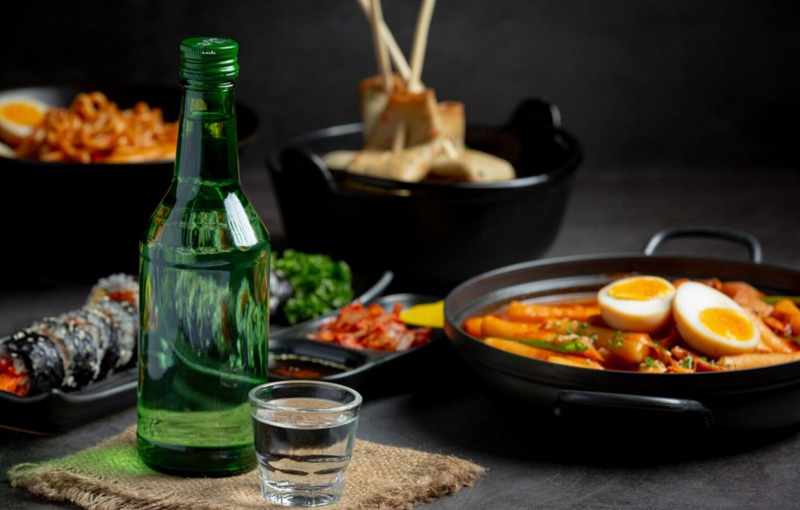
The British pub trade never anticipated a green glass Korean spirit to power the lights. But walk into a few venues in Soho, Brighton, or Manchester right now and you’ll see it happening in real time pints of lager with a shot glass balanced on the rim, family style plates of glazed fried chicken, and a line outside a pub that was barely breaking even eighteen months ago.
It’s an odd pairing on paper. Soju, Korea’s best selling liquor, and the British boozer, known for Sunday dinners and warm ale. The timing was perfect for publicans. Energy prices rose. Staff became scarcer. Diners, especially younger ones, drank less yet wanted more when out. Korean soju found an unplanned opening in that squeezing.
Counts are hard to overlook. According to July 2024 estimates, Jinro, the UK’s leading soju brand, grew 73% annually over three years. By late 2025, 77% of its UK sales were from non Asian buyers, up from 30% a decade earlier. Not a niche trend anymore. That spirit is entering mainstream supermarkets like Tesco, Costco, and Morrisons.
That K pop and Squid Game alone are to blame is tempting. Culture opened it. Soju is in bar kitchens rather than bottle shops for economic reasons, not trend chasing. Publicans perhaps didn’t chose Korean food for its style. It pencils out, so they chose it.
Traditional pub food is struggling. A Sunday roast involves hours of prep, several fresh ingredients, and a competent chef to time it correctly. If the weather shifts and footfall lowers, the food is wasted. Korean street food works differently. Kimchi and gochujang last months. Morning par cooked fried chicken takes minutes to finish. Rice cakes and noodles are cheap. It’s clear how well this solves the issues that have bankrupted independent pubs for years.
Next, the drink. Soju is stronger than beer but milder than vodka or gin. Mixed into a pint as “somaek”, it cuts through lager’s bulk and leaves something sharper. Publicans know this is a margin trick, not merely a flavor trick. A shot of soju in a pint makes a low margin product worth a premium with almost no extra cost. For now, that premium is working, but it may diminish when novelty fades.
I’ve seen this in Brighton at SOJU Korean Kitchen & Bar and in Soho at Hongdae Pocha. Traditional pubs have been missing this vitality for years. Neon signage, shared meals, spoons smashing against glasses to mix drinks photograph nicely, which matters more than before. Whatever anyone thinks, a night out is happy now, and a brilliant green bottle with spicy rice cakes sells better online than a pint of bitter.
The kitchen residency concept makes this scalable, not just a trend in a few postcodes. An independent Korean food operator takes over the kitchen, maintains the food revenue or a part of it, and the pub keeps its bar sales, which are now significantly higher thanks to the food. Low risk for both sides. Publicans don’t risk unnecessary capital, and food entrepreneurs obtain a fully licensed location without a commercial lease.
Is this a permanent solution for an industry with rising rent, wages, and energy costs? Probably not totally. Someone adding kimchi to the menu won’t change business pricing. It’s worth pausing to consider how a five hundred year old Korean spirit and a centuries old British institution are silently supporting each other. Given how rapidly the mainstream supply chain has adopted it, investors and beverage distributors believe it will last. Who knows if it’ll fill pub gardens in five years. Still, it’s one of British hospitality’s most surprising survival stories, starting with a green bottle nobody outside a few Korean restaurants had heard of a few years ago.
i) https://www.tripadvisor.co.uk/Restaurant_Review-g186273-d27709361-Reviews-Soju_Korean_Kitchen_Bar-Brighton_East_Sussex_England.html
ii) https://soju-korean-kitchen-bar.res-menu.net/
iii) https://thebelleisle.co.uk/oliver-platt-weight-loss-the-quiet-transformation-nobody-saw-coming/
iv) https://thebelleisle.co.uk/best-historic-pubs-in-london-ghosts-gallows-and-a-very-good-ale/