
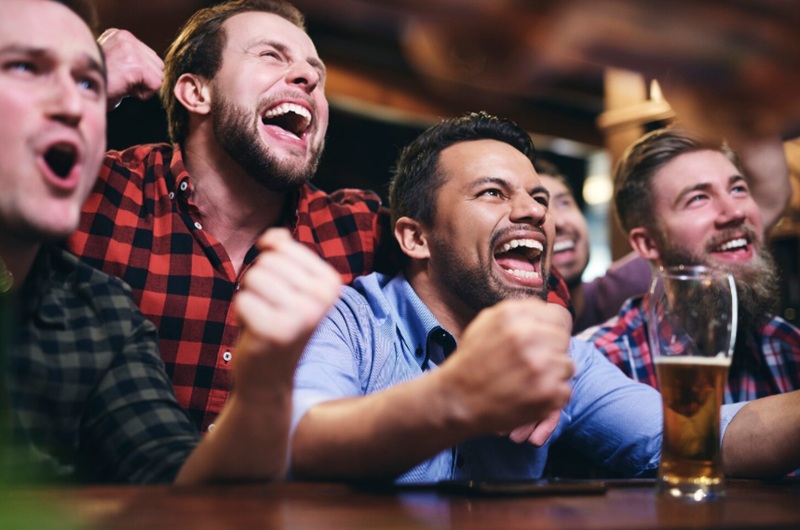
In a manner that is uncommon in a hospitality calendar, the pub trade has been preparing for this summer. The World Cup 2026 will begin on June 11 and run through July 19. It comes at a time when the sector it has the potential to save has been quietly suffering for years. According to tax firm Ryan, one pub per day closed permanently in England and Wales in 2025. That’s 366 structures that have been boarded up or converted into apartments, nurseries, or cafés. Most never return.
Landlords are doing the same math as everyone else if you stroll past the Builders Arms in Addiscombe or the Brewers Arms on Orford Street in Ipswich. Commercial packages from Sky Sports start at £200 per month and go up to £30,000 annually for larger venues. One of the highest beer duties in Europe. Energy bills are still almost three times higher than they were before the outbreak. April 2026 will see a 30% increase in average rateable values, coinciding with the disappearance of the 40% retail and hospitality relief. According to Ryan’s Alex Probyn, the statistics just don’t work.
Speaking with operators before to the event gives the impression that something truly unique is taking place this time. The BBC and ITV will broadcast the games. unrestricted. No paywall, no one on one cost negotiations, and no Sky agent surreptitiously raising the yearly amount. That in and of itself is odd enough to feel like excellent news for bars that have spent ten years absorbing broadcasting hikes.
| Key Information | Details |
|---|---|
| Event | FIFA World Cup 2026 |
| Host Nations | United States, Canada, Mexico |
| Dates | 11 June – 19 July 2026 (39 days) |
| Teams / Matches | 48 teams, 104 matches |
| Opening Match | Mexico v South Africa, Estadio Azteca |
| Final Venue | MetLife Stadium, New Jersey |
| UK Broadcasters | BBC and ITV (free-to-air) |
| Forecast UK Hospitality Boost | £898m (VoucherCodes) |
| Extra Pints Forecast | 50–58 million |
| UK Pub Closures (2025) | 366 permanent closures in England & Wales |
Forecasts have tended to support that sentiment. According to VoucherCodes, UK hospitality venues will get £898 million during the competition, which is nearly twice as much as the 2022 World Cup and 46% more than Euro 2024. If England makes it to the final, the British Beer and Pub Association estimates 50 million more pints. According to Access Hospitality data, bookings in the UK are already 52% higher than those in the EU. Eighty two percent of viewers who are not at home say they will attend at least one local game. In comparison to 2024, the on trade is expected to increase by 150%.
Of course, there is a catch, and it’s an odd one. North American time zones are where the majority of the games are played. A few begin at 1 a.m. British Summer Time. Scotland will play a group match at two in the morning. Pubs in England and Wales can now operate until one or two in the morning, depending on kickoff, according to a relaxation of licensing hours pushed through by Home Secretary Shabana Mahmood. Anything later still requires a Temporary Event Notice. Fifteen are given to operators annually. With a hint of tired irony, the majority are being instructed to submit them right away and remove the ones they decide not to use.
Opening at 3 a.m. has terrible economics. More employees, security, and enthusiasm are all increasing, and the clientele is dwindling to the most devoted devotees. Particularly for an England knockout match where the audience is sure to be boisterous and devoted, some pubs will definitely accept that wager. Others will discreetly provide nightclubs, who already possess the sound systems and licenses, the late slots. The director of the Night Time Industries Association, Michael Kill, has publicly expressed optimism about clubs taking up the after midnight trade. He could be correct.
What is happening with the screens themselves is more difficult to record in spreadsheets. It doesn’t feel like marketing gossip, but there is a sort of arms race going on. When you enter a refurbishment, you’ll notice new projectors, exterior LED panels, and enhanced audio equipment that allow the build up to a goal to be heard over a crowded Saturday night club. The facts supports the expenditure: during the last such competition, certain stadiums witnessed 147% uplifts on knockout nights, foot traffic can increase by 40% on important game days, and sales can increase by almost a thousand percent during kickoff.
It’s difficult to ignore the fact that none of this addresses the fundamental issue. In April, the business rates revaluation will still have an impact. In the fall, Sky will still want its money. The bar that closed in 2025 will not reopen since England advanced to the quarterfinals. A tournament is not a remedy; it’s a sugar rush. It’s a “tremendous boost”, as Emma McClarkin of the BBPA has described it, and she’s not incorrect.
If operators play it well, 2026 might really remind a country that has strayed toward sofa and streaming why a crowded room with a large screen still feels different. It’s another matter completely whether that recollection lasts through August and the cost increases in the fall. The screens are currently being raised. Licenses are being submitted. We’ve ordered the kegs. It’s all football.
i) https://capify.co.uk/blog/showing-the-world-cup-2026-screen-upgrades-and-commercial-broadcast-licenses-for-pubs-bars-and-venues/
ii) https://www.standard.co.uk/business/fifa-world-cup-economic-boost-london-pubs-nightclubs-b1277983.html
iii) https://news.williamhill.com/football/world-cup/watching-the-2026-world-cup-at-the-pub/
iv) https://www.morningadvertiser.co.uk/Article/2026/05/29/world-cup-2026-how-pubs-can-win-with-low-no/