
A recent evening in Soho saw a gathering outside a small tavern spill onto the sidewalk, pints carefully balancing between chatter and elbows. Inside, the wood paneling was a little old, the light was gloomy, and the Guinness, which costs £7.20 a pint, was poured slowly with a ceremony that made patrons lean forward and watch from the bar.
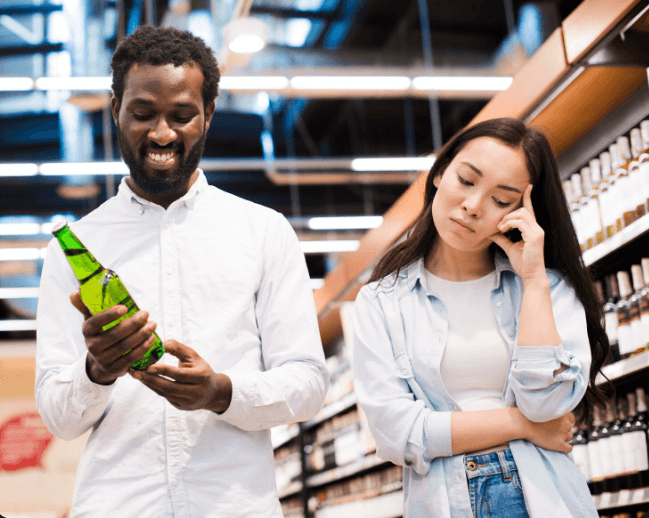
That kind of moment feels extremely British. There is an uncomfortable reality that looms in the backdrop. Real drinking in Britain is increasingly taking place outside of pubs. It takes place at home, typically close to a grocery store refrigerator.
Pubs were without a doubt the epicenter of Britain’s drinking culture for many years. Darts teams clattered away in smokey nooks, football enthusiasts quarreled over outcomes, and workers gathered after shifts. The bar served as a modest social institution in addition to being a place to purchase alcohol. In many communities, the only public space that people frequently use is the tavern. Economics has been subtly tilting the scales.
| Category | Information |
|---|---|
| Industry | UK Alcohol & Hospitality Sector |
| Key Market Segments | Pubs (On-Trade) vs Supermarkets & Retail (Off-Trade) |
| Estimated UK Pub Count | ~28,400 pubs (2025 estimates) |
| Historical Peak | ~63,500 pubs in 1985 |
| Market Shift | Beer sales in shops surpassed pub sales in 2014 |
| Cultural Role | Social hubs, hospitality venues, community spaces |
| Key Trade Body | British Beer & Pub Association (BBPA) |
| Reference Source | https://beerandpub.com |
A crate of lager may now cost less than two pints in central London at a normal store. Bright aisles are lined with floor to ceiling wine promotions. In a shopping trolley, a wine that would cost £25 on a bar menu could easily sell for £8. The calculations are painfully straightforward for anyone who is struggling with electricity costs, rent, and train expenses.
The psychological change that results from this is difficult to ignore. In the past, drinking at home seemed like the more affordable and peaceful option. Nowadays, it has become the norm for a lot of people, particularly younger professionals.
This reality is reflected in the numbers. In 2014, beer sold in bars was surpassed for the first time by beer purchased from supermarkets and off licenses. While the number of pubs has drastically decreased since 2000, the volume of alcohol bought in stores has increased significantly. There were once more than 60,000 pubs in Britain.
The sum is less than half of that now. The closures are very noticeable when strolling through tiny towns. Where the King’s Arms formerly existed is now a boarded up sign. A block of apartments was once a pub garden. Sometimes the structure still exists, but it serves a different use, such as a café, restaurant, or just another residence.
The story is more complicated than pubs losing The atmosphere of a bustling London pub on a Thursday night conveys a different message. Conversation fills the room, and the sound of glasses clinking rises above the music.
The level of laughter is higher than it would be at home. Tables are shared by strangers. Unavoidably, someone strikes up a conversation with the dog beneath the bench. It is difficult to adapt that kind of impromptu social life into a living room.
The experience component is another. The flavor of a perfectly poured pint at a well run bar is truly different. Publicans will tell you that temperature control, gas mix, and line cleaning are all important, and sometimes they are correct. Some bars go through their barrels so fast that the beer never gets a chance to go bad. It’s probable that the booze itself isn’t what consumers are currently paying for. It’s the surroundings.
Nevertheless, nostalgia is insufficient to address the fundamental issues that pubs face. Operating expenses have been steadily increasing. The list is lengthy and costly and includes business rates, electricity expenses, payroll, and licensing fees. Supermarkets, on the other hand, function on a completely different economic scale and frequently use alcohol as a “loss leader” to entice customers in.
To put it another way, supermarkets sell bulk, whereas bars sell a communal experience. In retail, volume typically prevails. Generational shifts are another. In general, younger Britons seem to be drinking less, or at least more moderately. Participation in initiatives such as Dry January has skyrocketed. A decade ago, it would have seemed rather absurd that entire grocery shelves are now filled with low alcohol and alcohol free beers.
Pub culture is also impacted by that shift. Pubs have traditionally prospered from frequent patrons. There will be fewer guaranteed patrons filling chairs five nights a week if there are fewer heavy drinkers. As this develops, it seems that pubs and supermarkets aren’t the main players in Britain’s drinking conflict. It concerns how people interact with one another in a different economic setting. Convenience prevails when finances are limited. The bar feels vital once more when people are in need of connection.
It’s remarkable how successfully some publicans have adjusted. Nowadays, a lot of pubs seem like hybrid establishments that combine elements of a community hall, restaurant, and bar. Sunday barbecues are attended by families with kids.
The traditional late night sessions are replaced by quiz evenings. Premium spirits and craft beer contribute to higher profits. In many locations, the classic “working man’s pub”, complete with inexpensive beer and a TV in the corner, has subtly disappeared.
The pub is obstinately robust. Every time someone announces its demise, a new micro pub typically small, occasionally quirky, sometimes brilliant opens up someplace. It’s difficult to envision the establishment completely vanishing while you’re standing in a packed pub and watching a fresh pint settle under gentle yellow lights. Tt’s also difficult to overlook the supermarket parking lot, where customers are lugging around bags that make a gentle clinking sound with bottles.
Who is winning the drinking war in Britain, then? Supermarkets most likely already have in terms of sheer sales volume. The contest feels less settled culturally. Despite the abundance of inexpensive beer in supermarket aisles, many nevertheless decide that they don’t really want a drink on some evenings when they go outside and stroll down the street. It’s a bar.
https://www.theguardian.com/society/2018/oct/14/battle-over-tax-cuts-on-beer-health-pubs
https://insolvencyandlaw.co.uk/supermarkets-are-beating-pubs-and-bars-in-the-alcohol-pricing-war/