
It feels different now than it did five or six years ago to walk into a local bottle shop. There are still many of colorful cans on the shelf, such as space cats, neon hops, and cartoon skeletons, but the vibe has changed. There are rows of canned beverages and alcohol free lagers in a few refrigerators that were originally used for experimental IPAs. Though slight, the once roaring craft beer moment now seems more subdued.
Craft beer appeared to be unstoppable for the most of the 2010s. Breweries sprang up in peaceful areas, industrial parks, and abandoned buildings. Every few months, a new taproom would often open. With brewers experimenting with milkshake IPAs, pastry stouts, and sour ales that resembled fruit smoothies more than beer, the atmosphere was entrepreneurial and a little frantic.
After a surge of excitement, markets tend to settle down. Craft beer output has started to decline in recent years. While the number of brewery closures already somewhat surpasses the number of openings, industry data indicates falls in both 2024 and 2025. It’s not quite a collapse. It’s more like gravity coming back after a long flight.
| Category | Details |
|---|---|
| Industry Segment | Craft Brewing Industry |
| Estimated Market Value | ~$28.9 billion (U.S. retail value) |
| Key Organization | Brewers Association |
| Recent Industry Trend | Production declining; brewery closures exceeding openings |
| Emerging Competition | Hard seltzers, ready-to-drink cocktails, non-alcoholic beer |
| Notable Brand Example | BrewDog |
| Year Founded | 2007 |
| Headquarters | Ellon, Scotland |
| Official Website | https://www.brewersassociation.org |
A portion of the change is just the conclusion of a hype cycle. Curiosity drove the emergence of craft beer. Drinkers occasionally paid top dollar for cans that might be gone in a week as they looked for the next special release. This feeling of exploration led to an explosion of breweries, many of which grew quickly and took on debt to meet the seemingly endless demand. However, novelty wears you out in the end.
Today, the impact is evident when you visit a bar menu. A dozen IPAs may still exist, but they all have the same appearance: hazy, lemony, and slightly tropical. Even devoted craft enthusiasts eventually started to subtly revert to easier options. A pure lager. A well known stout. Something foreseeable. Additionally, there is the issue of cost.
Craft beer is frequently significantly more expensive than mass produced lagers, and that distinction is significant during a time when living expenses are on the rise. According to a London bartender, patrons are increasingly requesting “something decent but not £8 a pint.” That one statement conveys a lot about the state of the market.
There’s also the competition. Beer dominated the booze section ten years ago. It now coexists alongside an overwhelming array of substitutes. Flavored vodka drinks, canned margaritas, hard seltzers, and spiked iced teas have all developed their own fan bases. On a laid back night out, many are easier to drink, lighter, or sweeter.
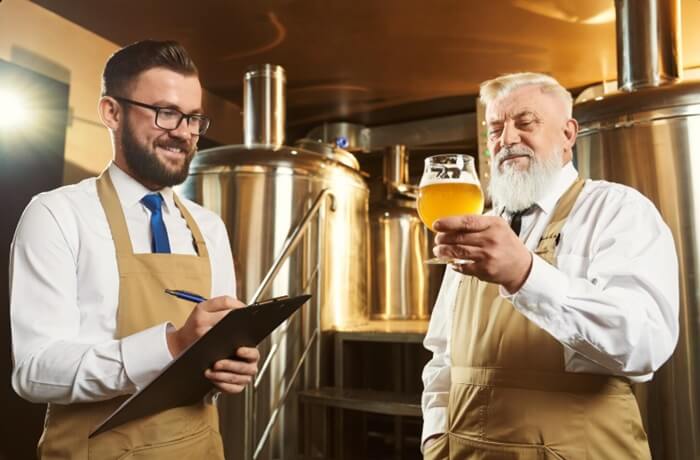
The most interesting development might be non alcoholic drinks. A contemporary brewery in South Wales uses vacuum distillation to subtly extract alcohol from beer in stainless steel towers. The objective is straightforward: maintain the flavor while getting rid of the hangover. The procedure may appear complicated. Alcohol free beer was bland and unmemorable a few years ago. Surprisingly, there are some excellent versions available today.
Because drinking patterns are changing, that is important. Though they also switch between options, younger consumers nonetheless spend money on alcohol. It has become normal practice to alternate between alcoholic and non alcoholic drinks in the same evening a practice known as zebra striping. One gets the impression that moderation has gained popularity in a way that it wasn’t twenty years ago when they watch it take place in a packed pub.
The strain in the industry may be seen in the Brew Dog story. The Scottish company, which was once hailed as a renegade pioneer of craft brewing, is currently negotiating with investors and possible reorganization. Although its pubs continue to serve Elvis Juice and Punk IPA, the commercial environment has obviously altered.
Still, it would be premature to say that craft beer is done. The category continues to attract a passionate following and billions of dollars in sales. Some breweries are actually adjusting pretty well. A visit to a brewery is becoming more like a night out than a quick drink stop as taprooms transform into social venues featuring food, music, and family friendly activities.
In the meantime, beer itself keeps coming up with new concepts. Clean, simple beers that were formerly thought to be uninteresting, golden lagers are slowly making a comeback. They are appealing in both nostalgic and utilitarian ways. They are familiar, refreshing, and reasonably priced exactly what a lot of drinkers seem to be craving at the moment.
His cycle appears to be normal based on history. Trends in beer have always fluctuated. Before going out of style in the eighteenth century, dark porters used to rule London bars. Stouts gained popularity once more decades later. It’s difficult to avoid the impression that craft beer is just moving into a new part of that lengthy rhythm as the market develops.
On a Friday night in a crowded bar, the evidence is conflicting but encouraging. Experimental IPAs are still occasionally ordered. Others choose for traditional lagers. One table alternates between alcohol free drinks and cocktails. The artisanal revolution is still going strong. One pint, or occasionally one alcohol free can, at a time, it’s simply assimilating into a larger more complex drinking culture.
https://uk.finance.yahoo.com/news/brewdog-owners-craft-beer-company-135128825.html
https://beercrunchers.substack.com/p/12-reasons-that-craft-breweries-are
https://www.forbes.com/sites/emsauter/2026/01/07/craft-beers-current-trends-show-its-cyclical-resilience/