
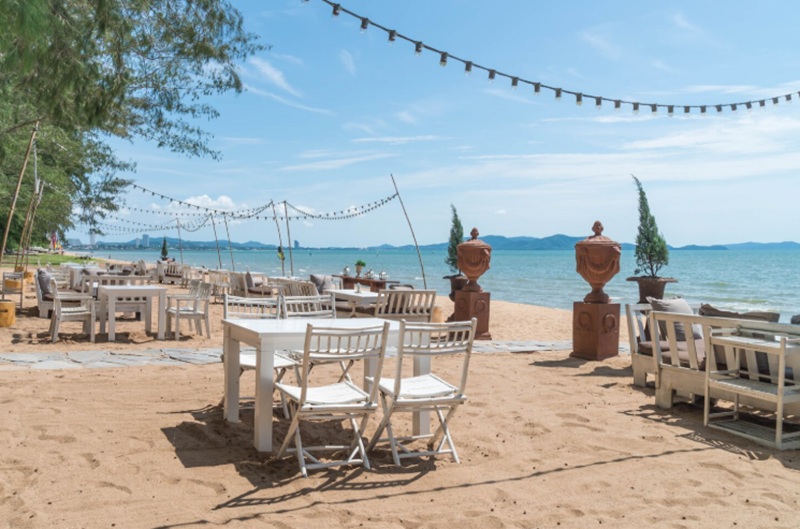
The real thing is a low ceilinged pub with salt in the air, a plate of locally caught crab with a pot of strong tea, and a view that makes the whole trip seem worthwhile. It’s a slightly corporate version of that experience, the kind provided by a cliff top resort hotel with laminated menus. Perhaps someplace in Britain, this specific mix has always existed. The fact that people are finally paying attention is what has changed.
When you look at the data, they make a pretty obvious picture. Approximately 38% of British individuals want to spend their primary vacation time in the UK this year; this number rises to 53% among Gen Z, a generation that isn’t usually thought of as having conservative travel tendencies. Approximately 65% of those who rank landscape and nature as their top priority are drawn to coastal locations, which is a sizable number.
A increasing percentage of travelers are now creating multi stop itineraries with an average of three cities, and the average spend per staycation is roughly £1,171, which covers lodging, meals, and the typical incidentals. At the nexus of all of this are pubs, particularly those along the shore with rooms and a strong dedication to daytime dining.
| Category | Detail |
|---|---|
| Trend Name | Coastal Brunch Pubs as Staycation Destinations |
| Primary Markets | Cornwall, Devon, Dorset, Northumberland, Kent, East Sussex, Wales, Scotland |
| Key Destinations | St Ives, Bamburgh, Salcombe, Whitstable, Rye, Tenby, Portree, North Berwick |
| Notable Venues | Old Neptune (Whitstable), Ship Inn (Low Newton-by-the-Sea), Anchor Inn (Seatown), George Inn (Rye) |
| Staycation Spend (avg.) | £1,171 per trip (accommodation, food, travel, extras) |
| Domestic Holiday Uptake | 38% of adults plan UK-only main holiday in 2026; 53% among Gen Z |
| Coastal Preference | 65% of staycationers prioritise scenery and nature |
| Pub Accommodation Supply | 1,600+ pubs with rooms across Britain (Stay in a Pub platform) |
| Brunch Appeal | All-day menus combining local seafood, regional produce, and contemporary pub fare |
| Year-Round Trading | Increasing majority of coastal pubs now operate through winter months |
The way the seaside brunch pub avoids multiple issues at once is what makes it an intriguing format rather than a novelty. The boutique hotel is more expensive and offers less individuality. Often lovely, the beach B&B is rarely ambitious in terms of cuisine. When done right, the pub with rooms gives you the impression that you have fallen into a place that had a life before you came, something that neither of those can. In Britain, there are more than 1,600 pubs with rooms listed on websites devoted to this type of stay. These establishments range from conventional coaching inns to something akin to a boutique, and the best of them have realized that brunch is more than just a meal; it’s a reason to stay up late.
All of this is geographically significant. St Ives remains at the top of almost all staycation rankings in Cornwall in part due to its beaches. Hepworth museum and harbour light but also due to the sheer number of establishments that are eager to give you delicious food at ten in the morning. A short stroll from Bridport over the hills above the Jurassic Coast leads to Seatown in Dorset, where the Anchor Inn serves as both a suitable place to spend the night and an excuse to linger over a crab sandwich until it’s time for an early lunch. The Ship Inn at Low Newton by the Sea in Northumberland has been producing its own ales and providing authentic cuisine against an almost unreasonably picturesque backdrop of the North Sea. These businesses are not brand new. The audience’s discovery of them is novel.
The brunch menu has evolved into a sort of cultural symbol. Wales is known for its strong coffee and Welsh cakes. In Whitstable, where the Old Neptune rests on pebbles with a dependability that the British weather seldom justifies, Kent does oysters before midday. While Hastings has transitioned into seasonal ingredient led cooking with enough conviction to draw tourists who are coming for the food rather than the history, East Sussex has created its own version of the genre. Rye has the George Inn with its rooms above the cobbled streets. Wandering through some of these places gives me the impression that the hospitality sector has subtly grown more serious about itself without making much of a fuss.
It’s still unclear if this is just an extended period of enthusiasm or a long term structural change in how Britons enjoy vacations. The practical case for it appears to be rather strong. The pressures of traveling abroad include expenses, delays, and a slight fear of the unknown. In contrast, staycations offer flexibility and convenience that are now truly enticing rather than just tolerable. Character is something that the seaside brunch pub contributes to this, and character is not something that can be created quickly. You start to see why some of these establishments are reserved months in advance as you watch a landlord list the day’s delicacies, such as locally smoked fish, bread from a bakery three blocks away, and eggs from a farm visible through the window.
The winter aspect is not given enough credit. It was long believed that from October to March, beach bars become quiet and a little depressing. That’s not entirely true anymore. The calculations have been altered by log fires, heartier cuisine, and a traveling audience that has learnt to dress adequately for November on the Pembrokeshire coast. Towns that began viewing the off season as an opportunity rather than an inconvenience have reaped the greatest benefits.
There are difficulties. The plans of those who have reserved a table facing the sea are completely unaffected by the weather. Managing a city center operation is not the same as staffing coastal hospitality for an entire year. Furthermore, not every pub that has introduced rooms and a brunch menu has done so with the attention to detail that separates a true destination from an attempt to follow a fad. About five minutes after arrival, the difference between the two becomes apparent. Nevertheless, the direction of travel appears to be rather obvious. Britain’s coastline has always been stunning. The food hasn’t caught up in a long time.
i) https://londonlovesbusiness.com/how-coastal-staycations-reshaped-the-uk-hospitality-map/
ii) https://stayinapub.co.uk/news/fresh-research-reveals-why-pub-stays-are-britains-top-travel-trend-for-2025/
iii) https://www.countryliving.com/uk/travel-ideas/staycation-uk/g70050222/best-coastal-towns-uk-staycation/
iv) https://www.marieclaire.co.uk/life/travel/uk-staycation-trends-2026