
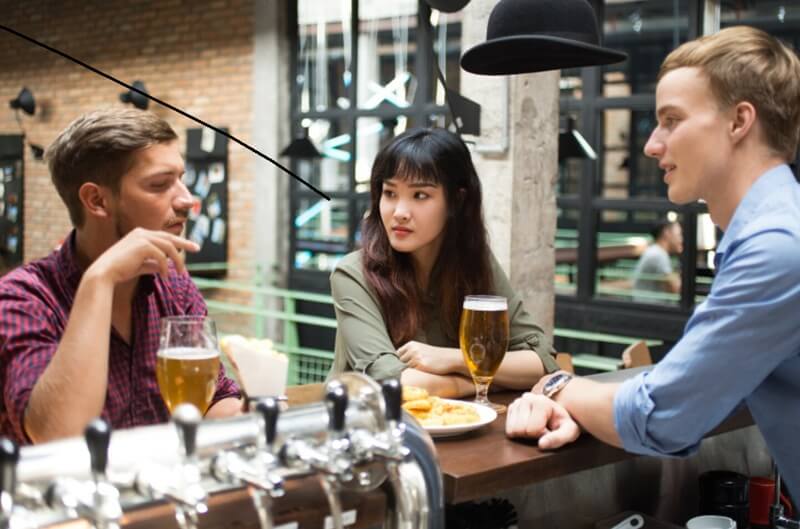
A bar might feel oddly torn between two worlds on a wet Wednesday night in northern England. The next wave of drinkers hasn’t yet come, and the noise from the weekend has long since subsided. Wood floors are scraped by chairs. A few regulars loiter close to the bar. Rain gathers on the pavement outside in tiny pools. The true survival story of Britain’s pubs silently takes place during these quiet hours, midway between Tuesday night trivia and Thursday’s optimistic pre weekend enthusiasm.
Friday nights occupy a large portion of the public’s attention. Raised beers, crammed halls, music resonating off ancient brick walls. However, the pub industry’s economics become painfully apparent around the middle of the week. Many publicans believe that Tuesday may be the most challenging shift of the week.
By 2021, there were only about 106,000 licensed establishments in the UK, down from over 116,000 in 2019. There’s a persistent feeling that something cultural is gradually disappearing when you walk past boarded up bar windows in places like Salford or London. However, the narrative isn’t wholly depressing.
Another characteristic emerges when you enter the pubs that are open on a quiet Wednesday night: unwavering perseverance. Although people may not have noticed it until the pandemic disrupted everyone’s routines, the pace of bar life has been shifting for years. Once practically ceremonial in places like London, the customary Friday workplace drink has crept into the middle of the week. Wednesday nights are subtly turning into the new Friday as hybrid work arrangements proliferate across the nation.
| Category | Details |
|---|---|
| Subject | The Great British Pub |
| Cultural Role | Social hub, community meeting place, and cornerstone of UK hospitality |
| Industry Value | Approximately £14.3 billion UK pub and bar industry |
| Total Licensed Premises (2021) | Around 106,880 |
| Notable Example | Tan Hill Inn – Britain’s highest pub |
| Location Example | Yorkshire Dales, England |
| Historical Significance | Pubs often serve communities for centuries |
| Reference | https://www.britishbeerandpubassociation.org.uk |
Colleagues are sometimes seen huddled around a tiny table with laptops still tucked into backpacks, chatting about spreadsheets and office rumors while sipping pints. As this develops, it appears that the pub is changing rather than disappearing, reinventing itself around new social and professional habits. Of course, it’s not always easy to adjust a strange tale from the Yorkshire Dales made headlines across the country a few years ago. At 1,732 feet above sea level, the Tan Hill Inn is Britain’s tallest pub, and heavy snowfall locked both employees and visitors inside. Ten chose not to take the chance of traveling through the snowstorm. They remained. For days It might have been awful. Rather, something more akin to an odd winter celebration surfaced.
There were board games. In the kitchen, sausages sizzled. A delivery from a store once came by snowplough with food, alcohol, and even dog treats. The guests that were trapped appeared strangely upbeat about the circumstances. According to reports, one of them quipped that as long as the drinks lasted, they would be content to stay stranded. There’s something illuminating about that story, despite the temptation to laugh at it as a novelty headline. The bar continued to operate as it always has: a place where people share space with strangers, celebrate tiny moments, and endure boredom, even in isolation quite literally trapped by the weather.
A more subdued version of that same dynamic persists in Britain’s quieter pubs during the middle of the week every week, a Wednesday regular might show up at the same stool and nod silently to the bartender. Two retirees quarrel over football scores from decades ago somewhere in the corner. Every now and again, a pub quiz team gathers, papers strewn all over the table, and engages in surprisingly heated debate over esoteric geography questions It’s not glitzy it is profoundly human.
Its underlying economics are still precarious. Many traditional wet led pubs, which prioritize beverages over food, find it difficult to draw in enough patrons outside of busy hours. Supermarkets that sell inexpensive alcohol have altered the industry by providing beer bottles at costs that bars can’t really match nevertheless, people continue to show up.
The fact that drinking by yourself at home feels different could be a contributing factor. Around 9 p.m. on a Wednesday, a certain mood develops in a pub: the slight scent of fryer oil and hops permeating the space, the clinking of glasses, and the low buzz of conversation. That is hard to replicate in a living room. Additionally, familiarity has a subtly reassuring quality.
Many bar owners characterize their midweek patrons as members of a loose group rather than casual drinkers. individuals who follow up with one another. Those who become aware when a person has been absent for several days. It was a social network long before the term social network was used. It becomes evident that survival doesn’t always appear dramatic while seeing this dynamic from the corner of a half full pub. One pint at a time, a small handful of regulars appear to be keeping a place alive at times.
The hospitality sector as a whole is still changing. Beers without alcohol are becoming more and more popular. Live music events, darts leagues, and pub quizzes are subtly making a comeback. During the day, some bars now provide coworking spaces, converting vacant tables into makeshift workspaces long term stability is not ensured by any of this.
The way individuals spend their evenings is always changing due to rising costs, shifting lifestyles, and the allure of home entertainment. The number of conventional pubs that will endure over the next ten years is yet unknown But for the time being, the lights are still on behind the bar on any Wednesday night in Britain the counter is cleaned by a bartender. Another round is ordered by someone. The streets are silent outside.