
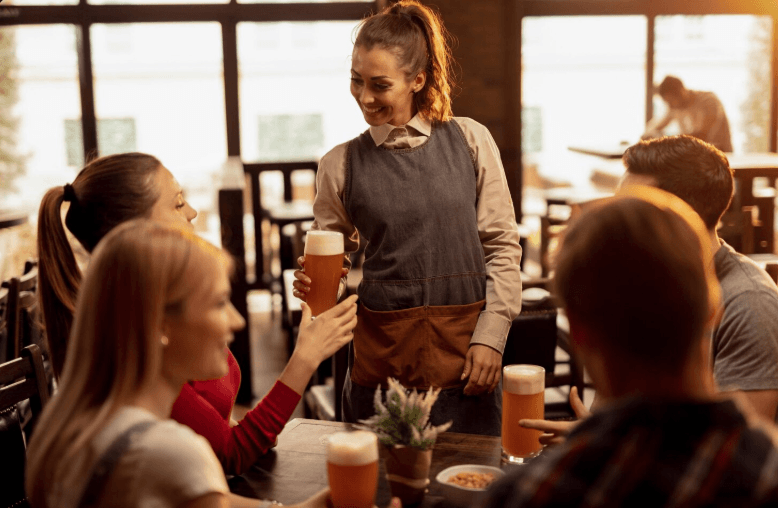
You can still see the glow of hanging Edison bulbs through gastropub windows on a mild evening in numerous places today, including Pittsburgh, Austin, Manchester, and even smaller villages along riverfronts. Inside, taps stream small batch IPAs as servers pass long wooden tables with plates of handmade burgers and truffle fries. That scene seemed new and almost rebellious ten years ago. It feels common now. Perhaps a bit too typical.
The gastropub has subtly emerged as one of the most popular casual eating types within the last fifteen years. Investors cherished the model. Even more, developers adored it. A gastropub would seem far more exciting than another chain sandwich shop, draw in young professionals, and occupy a ground floor retail space in a brand new apartment building. The idea spread swiftly, and occasionally a bit carelessly. However, there’s a growing perception that the excitement could have outpaced reality.
| Category | Information |
|---|---|
| Industry Focus | Gastropubs / Casual Dining Restaurants |
| Key Concept | Modern pubs combining craft beer with high-quality restaurant-style food |
| Growth Period | Roughly 2010–2023 global expansion |
| Typical Menu | Craft beer, gourmet burgers, seasonal plates, upscale bar food |
| Key Challenge | Market saturation and rising operating costs |
| Example Venue | Black Star Co‑op Brewpub |
| Reference Source | https://www.restaurantbusinessonline.com |
Craft beer, gourmet burgers, seasonal salads, and the occasional duck confit are among the many similar dishes that are served in many neighborhoods these days. Chalkboards are altered. Logos are different. However, the formula typically appears familiar. Additionally, the math starts to feel awkward when every other retailer is after the same customers.
For instance, restaurant openings in Manchester skyrocketed around the middle of the 2010s. Nearly suddenly, new dining halls emerged, often incorporating a dozen new eateries into a single building refurbishment. Diners found it exciting to have more options than the city has ever seen. However, business owners were silently observing the same clientele thinning out over dozens of additional locations.
In Pittsburgh, a similar trend became apparent. Developers actively sought out restaurants as anchor tenants in an effort to revitalize neighborhoods. The urban sales pitch started to include dining. Coffee shops, breweries, and gastropubs were expected to be within walking distance of new flats. The reasoning was sound. However, the population wasn’t expanding at nearly the same rate as the dining rooms, which worried restaurateurs. Everyone was pursuing the same dining dollars, as one of the city’s chefs put it frankly.
A more subtle issue also affects gastropubs. A surge of imitators followed their triumph. A tiny craft beer bar opens and succeeds. A rival soon shows up down the street with the same revolving taps, reclaimed wood décor, and assurance of locally sourced ingredients. Before long, the neighborhood is overrun with nearly identical ideas, all of them believing that loyalty will get them through. However, it turns out that when novelty is present, diners are not particularly devoted.
A pattern appears when one observes the restaurant’s cycle over time. There’s a new gastropub. It is packed for a few months. Tables fill up, Instagram photographs go viral, and reservations get challenging. Then, attention is drawn to another opening. The crowd changes. The dining area, which was previously busy, is now just steady. Stable isn’t always sufficient.
The strain of money is not helpful. In many revitalizing areas, rent has increased dramatically. On opening night, large restaurant spaces typically 5,000 square feet or more may appear spectacular, but on a quiet Tuesday, they can be pricey. A pub that used to require 200 patrons per night may now require 300 merely to be comfortable.
Diners themselves are evolving as well. Eating out is no longer as casual as it once was due to rising living expenses. What was once thought of as a special occasion budget can quickly be exceeded for a gastropub supper for two that includes beer, main courses, and possibly dessert. When that occurs, a lot of patrons just choose to spend more time at home or opt for less expensive takeout during the week.
A warning parallel can be seen in the craft beverage sector. Small batch beer has become a cultural phenomenon in the UK due to the explosion of craft breweries over the past ten years. However, the number of brewers going bankrupt has increased recently, indicating that the market may have reached its natural limit. Not enough consumers, too many producers.
It’s possible that gastropubs are moving in unison. However, discussing a bubble bursting may be overly dramatic. There has always been a lot of turnover in restaurants. Closures are a part of the ecosystem, even in prosperous times.
When one idea fails, another takes its place, sometimes with a more distinctive identity or a deeper awareness of regional preferences. Additionally, a business tends to endure the crowded field when it actually works when the cuisine is memorable, the staff is engaged, and the room hums with a specific energy.
Think about gastropubs that have been around for almost ten years. Many have one thing in common: they are fully aware of who they are. Some people have a strong beer culture. Some concentrate on cooking seasonally. Some develop a neighborhood following that is so devoted that locals view it as an extension of their living room It’s not quite panic as I see the industry now. It resembles a subtle recalibration more.
The concept of a gastropub is still appealing thoughtful food, delicious beer, and a laid back vibe. That recipe is here to stay. However, the days of just opening a gastropub ensuring a line outside the door might be coming to an end. Perhaps something healthier will follow less vacancies more fierce rivalry. ideas with distinct personalities. To put it another way, the bubble, if it ever existed, might not burst violently. The bars that were actually worth going to in the first place may simply gradually disappear.