
On a rainy night in a village in Derbyshire, the pub’s lights are often visible for a long time before the structure itself. There may be a blackboard menu visible through the windows, some locals seated on the bar, or perhaps a couple enjoying a peaceful supper by the fireplace. Communities throughout Britain have been characterized by sights like these for many years.
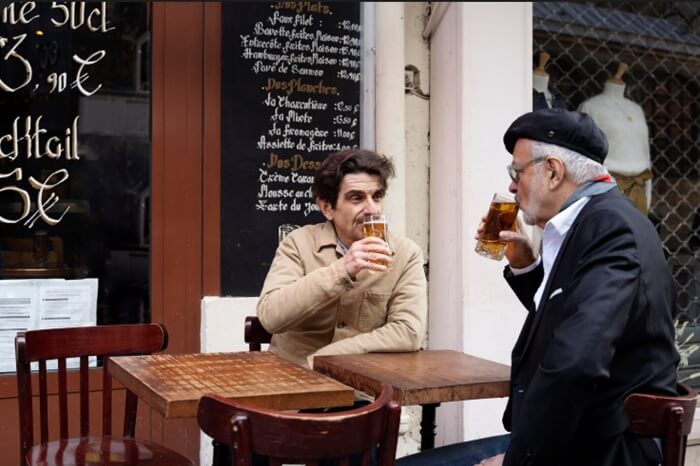
However, the ambiance at a lot of bars these days seems different for some reason. Beer is still the main focus, of course. Community gatherings, charitable fundraising, political discussions, and even outright efforts to rescue the location itself are also becoming more and more important. The local bar in Britain ceased to be only a place to have a drink at some point. Silently, it emerged as a leader in social transformation.
| Category | Details |
|---|---|
| Institution | British Public Houses (Local Pubs) |
| Country | United Kingdom |
| Historical Roots | Alehouses, taverns, coaching inns dating back centuries |
| Peak Number of Pubs | About 63,500 pubs in 1985 |
| Estimated Number Today | Around 28,400 pubs in 2025 |
| Economic Impact | Supports ~884,000 jobs and contributes billions to the UK economy |
| Social Role | Community meeting spaces, cultural hubs, “third places” for social interaction |
| Reference Website | https://beerandpub.com |
The change is hinted at by the statistics alone. In 1985, there were about 63,000 pubs in the UK. Less than half of that number exists now. According to some estimates, there are about six closures every week, which is an unsettlingly high frequency. You sometimes drive past what was once the local bar in rural England, which has been transformed into tidy rows of homes. Outside, the signboard may still be in place, fading a little in the rain.
The loss may appear abstract to those who do not reside in such areas. However, the effects of a small community’s final bar closing spread to other areas. It’s not simply the bar that vanishes. The home is lost by the darts team. Local events advertised on the notice board disappear. The weekly meal for retirees is discreetly discontinued.
Observing the transformation over the last ten years, it is difficult to overlook the pub’s unique significance in contemporary Britain. The bar is still one of the last locations where strangers regularly converse with one another in a time when individuals spend more and more time alone, hooked to phones or television screens.
These locations are frequently referred to by sociologists as third spaces since they are in between homes and workplaces. That function has long been performed by the pub in Britain. Recently, though, it has started to do more than just hold informal conversations. In several communities, locals are actually purchasing the bar in order to keep it open.
Once uncommon, community owned bars are gradually spreading throughout England. Simple but surprisingly effective is the concept: locals band together, buy the building, and manage it as a common asset rather than a company focused on making as much money as possible.
Residents in the Peak District’s Bamford spent years collecting money to wrest back their neighborhood bar from developers. A café, a small store, and even a post office counter are now housed in the structure in addition to the bar. While elderly wait in line to pick up packages, parents have coffee on the patio on weekday mornings. It resembles the unofficial town hall of the community more than it does a bar. One gets the impression that these areas are changing because they must.
The pub industry has become a challenging one. Supermarkets sell booze at prices that bars can’t possibly match, taxes are still high, and energy expenses are going higher. A pint of beer served behind the bar may cost four or five pounds, but you could get many liters of the same beer for the same price in a supermarket a few aisles away.
Despite their declining numbers, pubs appear to be playing an increasingly important social function. A few now hold local history discussions, craft classes, or reading groups. Others collaborate with organizations that fight loneliness. Because there are no longer any other places to congregate, pubs in certain rural areas of England have begun to function as unofficial community centers.
It is hard to miss the irony. The loss of pubs may actually force drinking into more secluded places, such as living rooms, kitchens, and peaceful nights alone, at a time when governments are frequently concerned about alcohol consumer intake.
Alcohol is the only thing left once the social component vanishes. There is a distinct dynamic at a decent pub. Who has had too many drinks is known to the bartender. Regulars watch out for one another. Football, politics, and the most recent rumors in the community are all discussed. Although it might be hectic, noisy, and untidy at times, it is rarely lonely.
Pubs have always had some sort of political component. In the past, inns served as gathering places for workers to negotiate pay, distribute political pamphlets, and disseminate new ideas more quickly than the authorities would have wanted. Spaces where people congregate and converse freely have historically caused some trepidation among governments. When they meet, people converse. Concepts flow.
That fact hasn’t altered all that much. The pub’s municipal function has become more apparent, which is what has changed. Today, in many communities, efforts to rescue the local bar have evolved into focal points for broader conversations about housing development, community identity, and the future of rural life. Occasionally, the bar itself begins to represent what people believe they are losing.
These ads have a subdued emotional impact. It’s not really about architecture or beer. It concerns the worry that villages may gradually devolve into residential neighborhoods where people don’t genuinely know one another.
If you observe these attempts long enough, a pattern will show up. Those battling to keep their pubs open aren’t often sentimental romantics yearning for bygone eras. They’re sensible. In order to provide food, hold events, welcome families, and provide coffee in the mornings, they recognize that pubs must change.
The tavern endures because it embraces change rather than fights against it. As you stand outside one of these neighborhood bars on a wintry night and watch the residents enter through the door, you can’t help but feel that something bigger is going on.
The number of pubs in Britain may be declining, but those that are left are growing in significance rather than decreasing. Everywhere there is a bar, a community is often still there. And maybe that’s the pint’s covert political reality. Are you fond of this personality?
https://allaboutbeer.com/beer-and-politics/
https://link.springer.com/chapter/10.1007/978-3-031-39008-1_20
https://www.express.co.uk/news/politics/2178647/keir-starmer-new-low-emily-thornberry