
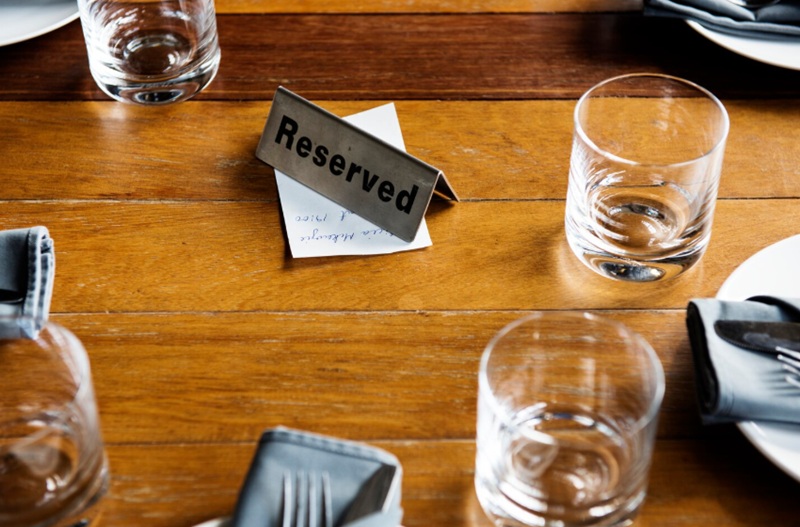
A private room overlooking a pub in London is filled with a certain type of silence. Something more vibrant than the forced quiet of a hotel lounge or the muted silence of a library. There’s the sound of glasses clinking that only the individuals in the room can hear, the faint whisper of a conversation that no one else is supposed to hear, and the unmistakable feeling that everything that is going on here has a purpose. Perhaps this emotion is what’s causing the most intriguing change in British hospitality at the moment, rather than any menu or cost.
Members only pub rooms that combine the tailored exclusivity of the private members’ club with the local familiarity of the conventional pub appear to be arriving at the ideal cultural moment. People are discreetly paying for the opposite after years of pandemic isolation, economic uncertainty, and a social media environment that paradoxically makes everyone feel more watched and less connected at the same time. not being seen. Secrecy. Being a part without doing anything.
| Information | Details |
|---|---|
| Topic | Members Only Pub Rooms & Private Dining Trend |
| Industry | UK Hospitality & Private Members’ Club Sector |
| Key Players | Soho House, Greene King, Fuller’s, Wetherspoon, Groucho Club, Annabel’s |
| Trend Origin | Blending of private members’ club exclusivity with traditional pub accessibility |
| Market Context | UK private dining demand rising sharply through 2024–2025 |
| Membership Fee Range | £5 (working men’s clubs) to £3,900+ annually (elite city clubs) |
| Key Locations | London (Mayfair, Soho, City), Sheffield, Edinburgh, Manchester |
| Industry Body | British Beer & Pub Association (BBPA) |
In Britain, private members’ clubs have a long history that dates back to the late 17th century gambling dens and chocolate houses. White’s, which opened its doors in 1693, eventually served as the model for a whole Pall Mall clubland ecology of establishments centered on the notion that your company was more important than your meal. Brooks’s, the Garrick, and the Athenaeum weren’t eateries. They were controlled social settings designed for confidentiality and trust. Even though everything around them has altered, it’s difficult to ignore how little the appeal’s architecture has changed when passing their unmarked doors on a Tuesday night.
The application of that reasoning to the pub is what feels truly novel. Genuine cross class accessibility has always been a feature of the classic British pub that the exclusive clubs lacked. In a way, sharing a cool pint with a stranger at the bar is a democratic gesture. The event room at the rear of a Fuller’s pub in Paddington, which can be reserved for a minimum amount of food and drink and doesn’t require a joining fee, begins to seriously blur that distinction. Locations like the Fox and Pheasant in Chelsea or The Morpeth Arms in Lambeth provide discrete areas that feel, if not exclusive, at least carefully chosen. Set aside. Keep away from the commotion downstairs. It turns out that velvet is not a requirement for the velvet rope.
The market’s upper end has been heading in the same way for a longer period of time. Founded in 1995 for the creative industries, Soho House currently operates 42 locations worldwide and boasts over 200,000 members. Over the course of three decades, the concept of paying for a community rather than just a meal has become commonplace.
It has its detractors; its quick growth has raised ongoing concerns about whether the exclusivity that warranted the membership fee has been reduced into something more akin to a branded co working cafe. The attraction seems to rely on scarcity, which is difficult to scale. The model’s appeal has proven astonishingly resilient, and more recent competitors, such as Ned’s Club at The Ned, a former Lutyens bank in the City with a rooftop pool and yearly fees exceeding £3,900, don’t appear to be bothered by the philosophical conflict.
Observing this from the perspective of the bar is intriguing because, although the mechanics are entirely different, the demand signals are identical. Locations like Galvin La Chapelle, which occupies a magnificent former church hall in Spitalfields, and Pied à Terre, which has a print room for 16 and a kitchen table for 8, exemplify the restaurant end of private dining.
They are Michelin starred, immersive, and purposefully dramatic. The language of fine dining private rooms is becoming more and more the language of performance: multi sensory embellishments, augmented reality menus, chef led experiences in private houses. The bar function room doesn’t ask for anything like that. It merely requests that you spend a fair amount on food and beverages with your companions and then lets you go about your business.
The trend might be headed precisely in that direction. Long thought to be in terminal decline, working men’s clubs have seen membership increase by more than 100% in some locations, such as the 1919 founded Walthamstow Trades Hall in northeast London or the Crookes Social Club in Sheffield, where members range in age from 19 to 93 and public events cover operating expenses.
Access is free with annual costs ranging from £5 to £35. Genuine community, felt rather than faked, is something that rooftop cocktail clubs and tasting menu rooms don’t always manage, though it’s questionable if this format counts as private dining in the sense that the industry press typically uses the term.
In the bigger picture, the hospitality industry is reorienting around the notion that an experience worth paying for is one that feels exclusive to you not in the bouncer and bell pull, confrontational sense, but in the more subdued sense of a room that recognizes your name and shuts the door behind you.
In the middle of that continuum are members only pub rooms, which take credibility from both extremes. It remains really open whether they constitute a dominating new category or are just another strand in a very British fixation with finding your place and feeling at ease in it. The rooms, however, are getting full. That much is evident.
i) https://www.privatediningrooms.co.uk/blog/london-restaurant-trends-for-2025/
ii) https://www.insignia.com/news/the-uks-most-exclusive-private-members-clubs/
iv) https://www.blacklane.com/en/blog/travel/private-members-clubs-london/