
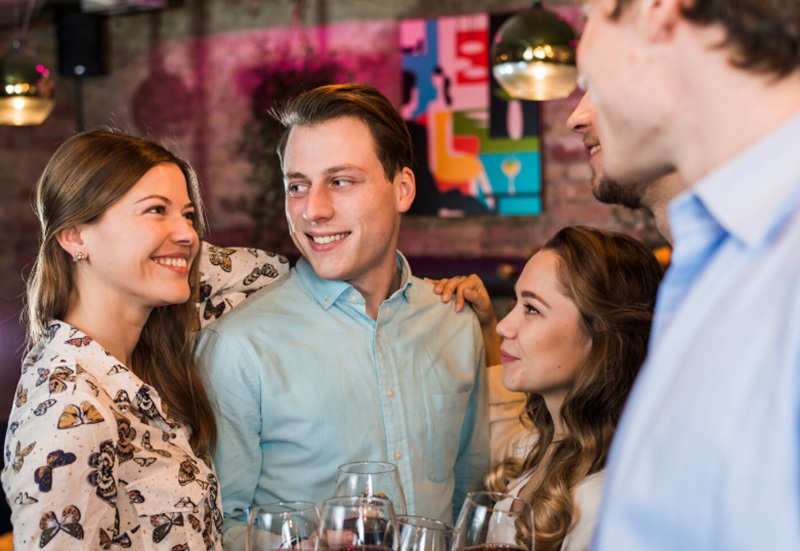
A Tuesday night at a working bar outside the heart of any sizable British town will reveal something that no spreadsheet can adequately depict. At the bar, a fleece clad man nods. Before he speaks, the landlady grabs for a certain glass. At the corner table, someone chuckles at a joke that was most likely told here last week. It is the most underappreciated item on the property because it is tiny and nearly undetectable.
Speaking with publicans these days gives the impression that this kind of acknowledgment is now what keeps the lights on. The number of pubs in the UK has been declining for years, and the causes are well known: cheaper alcohol from supermarkets, growing energy costs, and a younger generation that prefers to order takeout. The question of which pubs endure is fascinating. The ones with the longest gin menus and the most elegant interiors aren’t always the best. These are the ones where your name is remembered by the personnel before you’ve taken a seat.
| Topic Snapshot | Details |
|---|---|
| Subject | The role of familiar faces in building pub loyalty |
| Industry | UK hospitality / on-trade pubs |
| Core idea | Recognition, regulars and routine as commercial assets |
| Relevant figures | Repeat customers spend up to 67% more than new guests; 79% of consumers say loyalty programs influence repeat business |
| Cultural context | The British “local” tradition, decline in pub numbers, third-place theory |
| Key practitioners cited | Independent landlords, pub-tech firms like Loyalzoo, SimpleLoyalty, ChefHire |
Industry data indicates that repeat consumers spend up to 67% more than new ones. That figure seems strangely tidy and is passed around at hospitality conferences like a sort of folklore. Anybody who has worked behind a bar, however, will tell you that it generally tracks. The average person doesn’t bargain for a pint. On Friday, the regular brings three coworkers. While most newbies stop at chips, the regular orders the steak. It’s feasible that twenty or thirty people who, in theory, owe you nothing control the entire economy of a wet led tavern.
It’s more difficult to gauge why they return. There is now cheaper beer everywhere. The grocery store is a two minute walk away. So what’s the deal? When questioned about this, most landlords eventually provide the same response, albeit in a different way. They are aware of it. Admitting that adults still desire this in 2026 is nearly embarrassing. One of the few locations in British society where a near stranger will treat you like you matter just because you’ve been there before is the pub.
Tyne & Wear’s Shaun McManus, who owns the Teal Farm near Washington, has written about this in public. His Monday quiz night consistently draws the same forty attendees. In addition to the difficult to price effect of appearing crowded on a quiet night, he estimates that those forty earn two to three thousand pounds in income each month not a boisterous crowd by Saturday standards. The work is done by the consistency. If you miss a week, the habit will break. After two years of operation, you’ll have created something that is difficult for a rival with more resources to imitate.
The bar industry has made sporadic attempts to organize this. points per pound systems connected to EPOS terminals, loyalty cards, and app based reward programs. Some of them, especially the digital ones that avoid the lost in a coat pocket issue, function really nicely. Landlords can now offer a complimentary pint at fifty points or an Amazon gift card at one hundred fifty thanks to Loyalzoo and similar services. The figures may be made to add up. But when the practice ends there, it seems a little hollow. A points system doesn’t acknowledge you. You alone are counted.
The bars that are doing this the best appear to recognize that the technology is scaffolding rather than the structure. The bartender on visit eleven determines whether there will be a twelfth, although a digital card may encourage a consumer to return for the tenth visit. Staff turnover is the silent killer of pub loyalty because of this. After teaching someone for six months that Pete likes the booth by the window and drinks at Doom Bar, watch them go to a cocktail bar in the city center that pays an extra pound per hour, and the institutional memory follows them. The reconstruction process takes more than a year.
Some of the more considerate licensees have begun to view employee retention as a marketing investment, which is a strange perspective until you consider the alternative. In the same way that a lengthy marriage acquires in jokes, a bar with a steady staff gains regulars. For a local, the new pub down the road may feel like a hotel lobby despite having brighter signage and shinier taps. No shortcut exists. As you watch this unfold in various locations, it’s difficult to ignore the fact that the venues with the liveliest atmosphere are nearly invariably those where the staff has been there long enough to engage in football related arguments with the regulars.
Additionally, there is a generational question that is underappreciated. Even younger drinkers those who are purportedly consuming less alcohol and vanishing into delivery apps still react strongly to recognition. They simply need to be handled differently. Where a stamped paper card wouldn’t, a WhatsApp message wishing them a happy birthday and giving a free martini usually ends up. Bars that have used this report redemption rates on birthday offers of about 12%, which is high for any direct marketing strategy. The system is digital. It draws on a long standing instinct.
The future of the British pub in the manner that most people idealize remains uncertain. The trade is not enhanced by the larger figures. Those that survive typically have one thing in common: they don’t want to be just a venue that serves drinks. Instead, they turn into the location where people recognize your presence. That is an antiquated and outdated notion. Additionally, it is now one of the few items that are functioning.
i) https://blog.simpleloyalty.com/bar-loyalty-program-ideas/
ii) https://www.provi.com/blog/marketing/how-to-craft-customer-loyalty-for-your-bar
iii) https://www.chefhire.com.au/post/how-to-build-a-loyal-local-following-for-your-venue/