
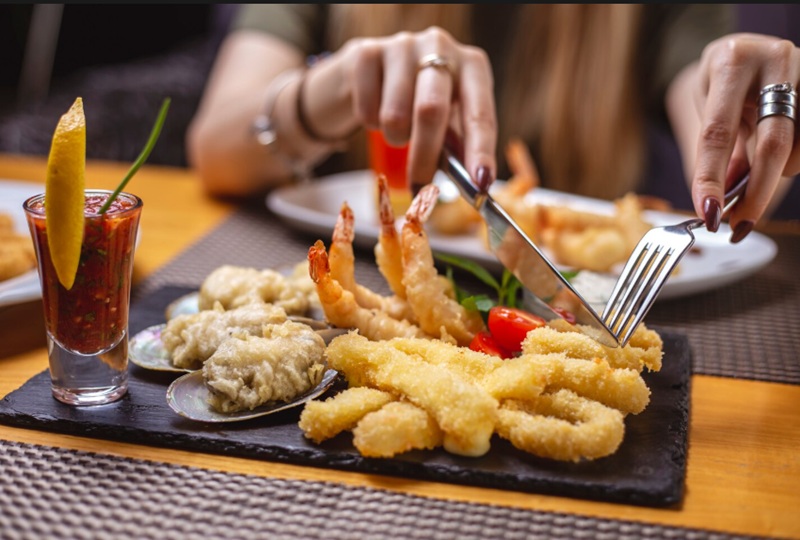
Every morning, a chalkboard outside a bar in Cornwall is altered. The whole menu is not covered by the specials. You are going to eat whatever comes off the boats at dawn tonight. That may mean a dish of local mussels boiled in cider and grilled hake with sea herbs on a Tuesday in June. By Friday, when a different captain brings in a different harvest, it might be mackerel cooked simply with orange and chives, or gurnard with roasted tomatoes. The unpredictability is not a complaint from the regulars. It’s the exact reason they return.
This is more than just a menu trend; it’s the essence of what’s going on in Britain’s seaside pubs at the moment. It’s a complete strategy shift that has been developing covertly for years and has advanced dramatically since the pandemic upended all of the preconceived notions that operators had about what customers would expect from an evening out. Geographically and historically, coastal pubs are exceptionally well positioned to meet the needs of modern British diners, and seafood comfort food turns out to be the category that allows them to do so the best.
| Detail | Information |
|---|---|
| Category | UK Coastal Pub & Seafood Industry |
| Key Trend | Seafood comfort food as a core commercial strategy |
| Seafood Pub Servings Growth (2023)** | +28% year-on-year in the pub channel |
| Foodservice Seafood Market Value (2024)** | £6.4 billion |
| Volume Growth (2024)** | +5.2% by volume, +8.7% by value |
| National Seafood Consumption Trend | Down 22% between 2006 and 2022 |
| Staycation Food Motivator | 58% of UK holidaymakers choose traditional pubs to eat |
| Top Foodie Coastal Destinations | St Ives, Padstow, Falmouth, Whitstable, Deal |
| Key Sustainability Standard | Marine Stewardship Council (MSC) Blue Ecolabel |
| Notable Operators | Rockfish Group, Paul Ainsworth (The Mariners), The Gurnard’s Head |
| Top Motivator for Seafood in Pubs | Socialising (74% of pub seafood servings) |
The figures are startling to read, especially in light of the hotel industry’s general prudence. The pub channel reported a 28% increase in seafood servings in 2023, despite the fact that national seafood consumption has been declining for years roughly a quarter during the previous 20 years. Pubs were at the forefront of the foodservice industry’s 2024 growth, which was 5.2% by volume and 8.7% by value. The British population is eating less fish at home but increasingly seeking it out in pubs, a paradox that most industry analysts have found difficult to completely explain. The answer might be more about what a seaside bar makes fish *mean* than it is about fish per se.
Across the nation, pub menus are increasingly shaped by comfort food. Customers are drawn to the comforting, nostalgic, and consistently gratifying foods that feel like value even when they’re not inexpensive due to the cost of living crunch. From award winning provincial gastropubs to London’s Fuller’s, operators have observed the same pull: patrons want what they already enjoy, but done better.
Seafood fits in wonderfully with this dynamic, as seaside pubs have realized. In the British imagination, foods like fish and chips, crab sandwiches, a bowl of mussels that are pulled apart at the table, and the prawn cocktail which is somehow making a comeback carry a great deal of emotional weight. They are associated with harbor walls, the scent of salt air, and childhood holidays. They don’t need to be elevated or explained. All they have to be is fresh.
Of course, the coastal pub is the only place that can provide that freshness. Sustainable cod can be served at an inland pub. A Cornish supplier may be named by a London restaurant. You cannot be twenty meters away from the dock where that fish was dropped off three hours earlier.
Devon and Cornwall operators have taken this advantage seriously, name the boats on their chalkboards, creating daily changing menus based on the local catch, and allowing the cook to call the fishmonger every morning to inquire about what arrived. This is taken to the next level by Mitch Tonks’s Rockfish group in Devon, which sources fish straight from the Brixham fleet and prepares it at the quayside before it gets to the kitchen. The provenance story is integrated into operations rather than just marketing material.
An audience that deliberately seeks out this experience has been created by the staycation boom. Travelers are willing to go great distances for a dinner they’ve heard about, according to research that regularly shows food is becoming a major factor in domestic travel decisions. Travelers from the UK prefer dining at pubs over small eateries and fish and chip shops. The local catch and pub culture have become interwoven in the coastal towns that dominate the national gastronomic rankings, such as St Ives, Padstow, Whitstable, and Deal. Visitors arrive prepared to spend money on the best seafood experience available.
Additionally, the economics make sense in ways that aren’t immediately apparent. Although seafood is pricey, it is also adaptable. A bowl of mussels is inexpensive and profitable. A shared seafood platter, which Cheshire Cat Pubs has been serving for fifteen years and is becoming more and more popular, combines modest and high quality components into an expensive shared centerpiece.
Oysters distributed around a table, half pints of crispy whitebait at the bar, and crab on toast as a bar snack rather than an appetizer are just a few examples of how the trend toward small dishes, grazing, and shared formats has played directly to seafood’s advantages. Additionally, operators who have incorporated flexibility into their menus using catch of the day language instead of naming species can adjust when the market shifts and direct diners towards hake, gurnard, pollock, or whatever the sea happens to provide that week. This is because haddock and cod are under pressure.
The seaside pub’s seafood turn is neither nostalgia nor reinvention, whether it’s a pollock hot dog at Paul Ainsworth’s Mariners in Rock, a mackerel with ponzu at a Cornish seafood bar, or a revived prawn cocktail because Gen Z customers have decided retro British food is worth championing. It’s something more resilient: realizing that the most honest thing you can do is put that fish on the plate, cook it properly, charge a reasonable price, and let the scenery do the rest when your best ingredient is swimming offshore and your customer has driven three hours specifically to eat by the sea.
i) https://www.seafoodsource.com/news/foodservice-retail/fish-and-chip-sales-drop-in-2025-but-new-market-opportunities-emerging-seafish-data-finds
ii) https://www.netsuite.co.uk/portal/uk/resource/articles/business-strategy/food-and-beverage-trends.shtml
iii) https://www.accio.com/business/pub_food_trends
iv) https://www.restaurantnewsresource.com/2026-dining-trends-uk-foodservice-adapts-to-growing-demand-for-plant-based-comfort-foods