
The menu in a modern pub on a wet weeknight in practically every British town reflects our changing identity. The burger with two patties, the basket of fries that falls onto the table smelling like frying oil and salt, and the sticky toffee pudding are all still there.
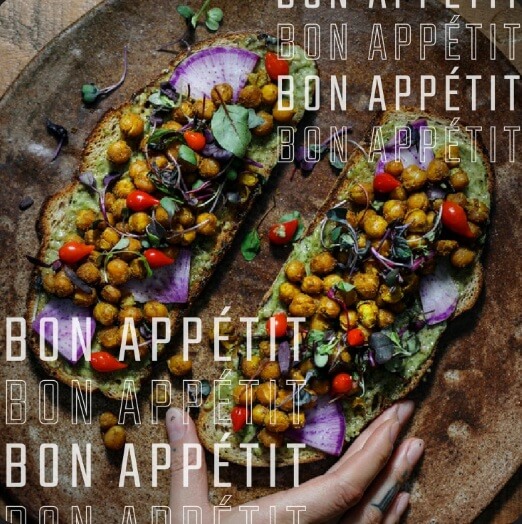
Now, however, you’ll frequently discover a roasted cauliflower steak, a “lighter fish option”, a protein rich salad, or even a grilled chicken flatbread with the calories listed in smaller, stern looking figures between those old pub staples. The language fresh, balanced, lean, plant based, and under 600 calories is also difficult to ignore. The menu is more than simply a place to eat. It wishes to reassure you.
That change was not an accident. Since April 6, 2022, big food businesses in England have been required to show calorie information for soft drinks and non prepackaged foods at the point of choosing, including on physical menus and online platforms.
| Topic | Important Information |
|---|---|
| Subject | The shift in British pubs and restaurant chains toward lower-calorie, high-protein, plant-based, and “better-for-you” menu items |
| Main setting | England’s pub and wider hospitality sector |
| Policy backdrop | Mandatory calorie labelling for qualifying large food businesses in England came into force on 6 April 2022 |
| Businesses mainly affected | Food businesses with 250 or more employees selling non-prepacked food for immediate consumption |
| Why this matters | The policy was introduced to help people make more informed choices and to encourage reformulation of menu items |
| Tension at the heart of the issue | Public-health campaigners argue diners are nudged toward extra calories through upselling, while hospitality leaders argue customers now have more choice and transparency than ever |
| Authentic reference | UK Government guidance on calorie labelling in the out-of-home sector |
The government has been clear about the objective of the legislation, which is applicable to companies with 250 or more workers to assist consumers in making better decisions and to motivate companies to provide lower calorie options. On paper, the policy seems well organized. Real life is messier, especially in bars.
For the pub has never been merely a place to recharge. It is a slip of social consent. After lengthy drives, after breakups, after funerals, and after rainy kid’s football games, people go there. They prioritize comfort above nourishment.
And for that reason, the popularity of guilt free pub menus seems a little dubious. Pubs seem to be attempting to promote indulgence and absolution, two diametrically opposed concepts, simultaneously. Get the burger, but you’ll feel better because it doesn’t have brioche on the bread. Enjoy the fries, but perhaps they are more respectable because they are skin on and coated with rosemary.
To be fair, the industry has a point. In response to shifting consumer preferences and political pressure, hospitality organizations have been expanding their menus, disclosing calorie information, and introducing vegan, low fat, and alcohol free options for years. Calorie labeling, according to official guidelines, is intended to encourage reformulation as well as customer behavior.
Also, diners have evolved a lot. The British’s love of munchies, protein and fiber promises, and better for you advertising has permeated pubs and restaurants as well as grocery aisles. People are unlikely to completely ignore the pub menu once they start reading the front of a cereal bar wrapper like a mystery book.
However, the framing is frequently the marketing ploy. A meal might be aggressively designed to sell while being portrayed as light or healthful. When you add the terms chargrilled house made ancient grain and high protein an otherwise unremarkable platter suddenly takes on a new meaning.
Some of this may be considered progress. It’s also likely that some of it is just the hospitality equivalent of the traditional no added sugar game at the grocery store: it’s technically accurate, emotionally appealing, and nutritionally deficient.
Calories by themselves don’t prove anything. Calorie counts show one thing while concealing many others, including fiber, processing, satiety, salt, and nutritional quality, as menu label critics have long noted.
The government’s own implementation caused controversy; proponents hailed it as a helpful public health tool, while detractors feared simplicity and unforeseen consequences, such as stress on those who suffer from eating disorders. Even while a pub menu that substitutes a 480 calorie wrap for a pie may seem morally good, it’s still debatable if virtue is the appropriate dinnertime category.
Then there is the long standing practice of upselling in pubs, which has long been denounced by public health advocates. This is evident to anybody who has been asked suspiciously brightly if they would like more onion rings, loaded fries, or a bigger amount.
The nudging script and the healthy looking menu can coexist rather well. A dessert menu provided with one hand and a side salad offered with the other is perhaps the most British aspect of the whole situation.
However, it would be too simple to write all of this off as cynical. There has undoubtedly been a real cultural shift in the last ten years, as seen by the changes in pub cuisine. There are clients who actually prefer a lentil and beetroot burger. Some people are attempting to manage a health condition, prepare for a marathon, or just feel less groggy the next morning, so they want to know how many calories they are consuming. That demand is not being imagined by pubs. Even if they are making money off of it, they are still reacting to it.
That’s the uncomfortable reality, actually. The popularity of guilt free pub menus is a marketing ploy as well as a health revolution, which is why the trend has persisted. Pubs can stay up to date with a culture that is now fixated on protein, portion control, and food transparency by using the language of health.
However, it also conveys a genuine uneasiness about British eating habits and what occurs when comfort food is consumed on a regular basis instead of only sometimes Thus, the new pub menu does a double act by serving a low calorie spritz next to a sharing pudding that is rarely shared, and a chicken katsu salad next to a massive burger. Escape was offered by the ancient bar. With improved macros, the new one offers escape. Depending on what you were hoping for, that may or may not be considered progress.
https://www.theguardian.com/books/2019/mar/16/snack-attacks-the-toxic-truth-about-the-way-we-eat
https://www.theguardian.com/food/2019/aug/30/from-quinoa-bars-to-salmon-skin-chips-whats-behind-the-snacking-revolution
https://www.paperchase.ac/news/calorie-labels-on-uk-restaurant-menus/
https://www.dailymail.co.uk/news/article-14325751/scientists-food-giants-tricks-tobacco-industry.html