
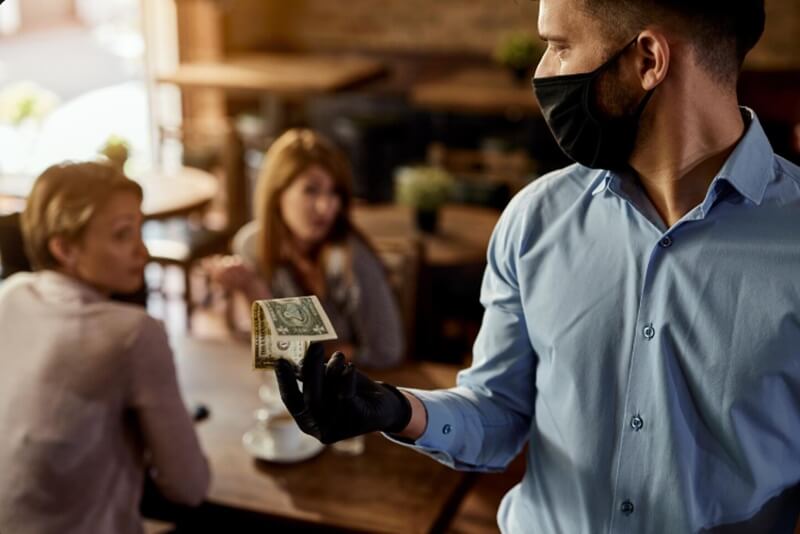
Around the third drink a certain type of amnesia occurs. You came up with a strategy a budget a mental figure and a silent promise to yourself that tonight would make sense. Then something changes. Before you fully realize it you’re back at the bar tapping your card and hazily wondering how that happened as the music and the group both become a little louder.
Exactly it’s not a mystery also not as easy as having a weak will. According to a Birmingham Midshires study three out of five British people spend more money in bars each month an average of £60.56 than they save for retirement. It’s worth pondering that figure for a while. Drinks are more important than a pension. However most of those same individuals would tell you they hadn’t actually planned to spend so much if you asked them on a Sunday morning.
| Topic | Why People Spend More Money in Pubs Than They Plan To |
|---|---|
| Industry | Hospitality & Personal Finance |
| Key Statistic | 3 in 5 Britons spend more monthly in pubs (avg. £60.56) than they save for retirement |
| Research Sources | Birmingham Midshires, Barclays, KAM/BII, Confused.com |
| Average UK Socialising Spend | £489 combined per night out (Confused.com, 2024) |
| Going Out Cost Increase | 12% rise over two years across UK |
| Top Spending Age Group | 18–34-year-olds hold 28% share of UK pub spend |
| Pub Share of Hospitality Spend | 29% – highest of any hospitality sector |
| Under-25s Spending Change | 28% more in pubs and bars compared to 2022 (Barclays) |
| Key Behaviour Trend | Drink-only’ pub visits rose from 26% (2022) to 36% (2023) |
The setting itself contributes to the difficulty of controlling pub expenditure. Pubs are designed to encourage loitering not in a cynical way. As the evening wears on the illumination becomes softer. People are drawn into clusters and corners by seating. It is nearly impossible to break free from the cycle of duty created by the round system that particularly British social structure. Whether you meant to or not you are purchasing five drinks if five people are purchasing rounds and you are on your second drink. More powerful than any individual budget is the social compact of the round.
According to data from Confused.com the average socializing expenditure for a night out in the UK is approximately £489 and their study revealed that over 75% of Britons had seen the impact of increased out of home expenses during the previous two years. In just two years everything from restaurant expenses to drinks at the bar to music events increased by about 12%. Spending hasn’t stopped though. It has moved. Yes fewer people are going out but when they do they spend more money on each occasion. On Fridays the intention to economize usually lasts until around 8 p.m.
Interestingly young individuals are completely disobeying the common warning. According to a Barclays analysis under 25s in the UK were spending 28% more in pubs and bars than they did in 2022 which is significantly more than the rate of inflation. Going out may mean more to this age group than just having fun; it’s a symbol of identity community and the outward manifestation of life. For many people in their early twenties cutting back on pub visits feels like cutting back on life itself. It’s not illogical. It’s a human. However when the activity has such strong emotional consequences budgeting becomes quite challenging.
Then there’s the phenomenon of competitive socializing which the industry has quietly noticed. throwing an axe. bars for darts. immersive experiences with cocktails. Approximately 25% of those under 45 regularly use these locations and over half of those under 25 expressed interest according to Barclays. These are not inexpensive evenings. They are based on a paradigm where the beverages flow in tandem with the activity which keeps you in the venue longer and the entire experience feels more like an event than a casual drink. Since it is technically more spending more feels justified. When it feels more like an experience than a routine consumers seem to have silently granted themselves permission to spend.
Pubs continue to command the highest percentage of consumer hospitality spending (29%) surpassing fast food delivery and casual dining put together according to research by KAM and the British Institute of Innkeeping. Drink only visits increased from 26% in 2022 to 36% in 2023 indicating that individuals are going back to bars mostly to socialize rather than to eat. By definition that type of visit unstructured drink led and open ended is one that lacks a clear way out. Additionally bills for open ended evenings are also open ended.
The money question is also important. Spending friction virtually vanishes when consumers use contactless cards to make purchases. There is no visual reminder of what’s left in a wallet nor is there a tangible process of transferring notes. A tap is just that a tap. Psychologically studies have long confirmed what most individuals suspect but seldom take action on: when spending is concealed it feels less real. Pause is caused by cash. Cards don’t.
Even when no one is actively using social pressure there is a subtle force to it. According to Confused.com over half of Britons have turned down social invites due to expense yet many of those who do go out will stretch their money to avoid being seen or appearing hesitant. No one wants to spend ninety minutes sipping the same beverage. No one wants to turn down the following round and give an explanation. Financial planning seldom takes into consideration the genuine drive of wanting to be totally present.
On a night out it’s difficult to ignore the fact that ignorance is rarely the cause of the discrepancy between purpose and reality. Most people are aware that they overspend at bars. They are aware that the round system is unfavorable to them. They are aware that the fourth drink seems unavoidable after the third. The information is present. Everything else including the companionship the warmth of the space and the soft buzz of a pleasant evening building pulls against it. And to be honest the budget has no chance at that point.