
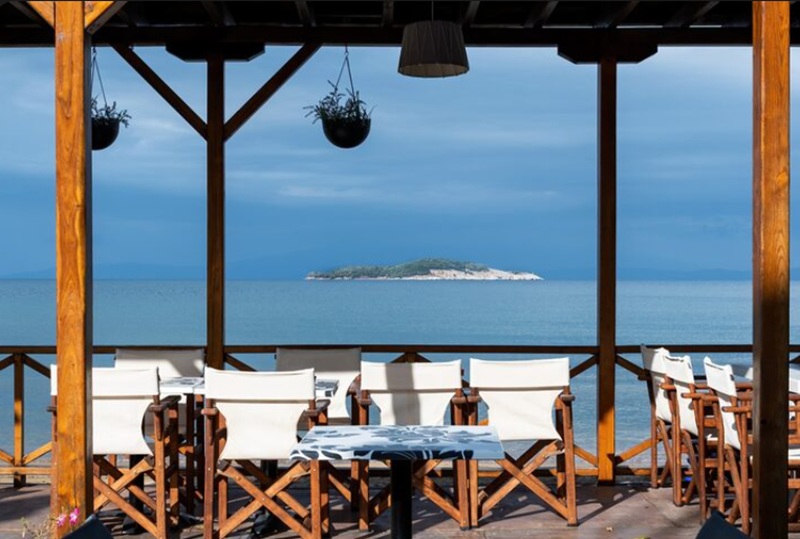
People are drawn to the British shore by a certain type of day. The table outside has a little moisture on it. The chips are delivered more quickly than anticipated. A dog is slipping a crisp under the table somewhere behind you. And the sea just sits there through the window, beyond the wall of the beer garden, doing nothing except looking perfectly good. It’s difficult to pinpoint why this seems so particularly fulfilling, but the statistics indicate that millions of Britons share this sentiment and are making the appropriate purchases.
The unusual focal point of a domestic tourist narrative that has been gradually developing for a number of years is now seaside taverns. According to recent studies, eight out of 10 Britons choose to take a staycation in 2025; millennials and couples led the way at eighty seven and eighty five percent, respectively. They’re picking Cornwall over Corfu and the Norfolk Broads over Nice, not only because the pound isn’t worth as much elsewhere as it used to be, but also because, at some point, remaining at home began to feel like a real decision rather than a comfort. When they get to their location, a decent pub lunch with a view of the sea is what many of them desire first.
| Detail | Information |
|---|---|
| Subject | Seaside Pubs & UK Staycation Economy |
| Sector | UK Hospitality & Domestic Tourism |
| Pub Market Value (2025) | £24.1 billion (up 1.9% year-on-year) |
| Total UK Domestic Overnight Trips (2024) | 105.6 million, generating £32.9 billion |
| Average Spend Per Pub Visit | £24.59 |
| Average Staycation Spend Per Person | £391 |
| Brits Opting for Staycations (2025)** | 8 in 10 |
| Pubs Considered Vital to Holiday Experience | 3 in 5 Britons |
| Pub Rooms Platform Options | 1,500+ via Stay in a Pub |
| UK Pub Count (Current)** | ~38,989 (lowest in a century) |
| Staycation Market CAGR Projection to 2035 | 6.1% |
| Top Coastal Staycation Region | South West England (21%) |
VisitBritain’s statistics presents a compelling image. In 2024, there were 105.6 million domestic overnight travels in the UK, resulting in £32.9 billion in spending. When compared to the 1 billion day trips worth £54.8 billion that England alone recorded that year, seaside and coastal attractions accounted for seven percent of all day visitors, an increase from six percent. Twenty one percent of respondents said they preferred staycations in the southwest of England, while sixty two percent said they preferred seaside getaways. It’s not a specialty. The majority is that.
The bar is crucial to all of this, which is intriguing and possibly a little unexpected. According to three out of five British people, going to a pub is essential to their vacation, ranking it on par with seeing famous sites and not far behind eating out in general. Nine out of 10 people believe that pubs are essential to travel in the UK as a whole. More than half of those between the ages of eighteen and twenty four deliberately include pubs in their itineraries, according to a poll conducted by the British Beer and Pubs Association with over three thousand respondents. That’s the group that was meant to be leaving, moving toward cocktail bars in converted warehouses and wellness resorts. As it happens, they still want a pint on the wall of the harbor.
There’s a feeling that it’s really hard to duplicate the charm of a decent coastal tavern. According to surveys, the top three reasons consumers pick them are tradition, a laid back atmosphere, and friendly service (53%, 53%, and 50%, respectively). Although those characteristics seem straightforward, they are surprisingly difficult to produce. You can construct a brand new hotel with a view of the ocean. It is difficult to create the atmosphere of a chamber that has been filled with the subtle scent of beer and salt air for two centuries. Strong demand for precisely this type of coastal getaway is reported by websites like Stay in a Pub, which offers over 1500 options. According to research backed by VisitEngland, 63% of people specifically choose pub accommodations for rural or coastal vacations, citing value and personal service over chain hotels.
There were a couple more insightful moments in the 2024 spending trends. Pub transaction volumes increased by more than 131 percent year over year during the event and doubled on the days of the Euros semi finals, which is impressive but not totally unexpected. The baseline is more telling: the typical customer spends £24.59 each pub visit, visits are increasing in frequency, and premium spirits, cocktails, and shared dishes are adding income layers that weren’t there ten years ago.
Pubs are now taking a significant portion of the £391 average staycation expenditure per person. The average cost of day trips without children is increasing, at £61 per person as opposed to £37 with children. Walking, taking beautiful drives, and, yes, a long lunch at a tavern perched on a cliff top are all included in the category of wellbeing experiences, which may cost up to £124 per person.
To ignore the more difficult aspect of the situation would be dishonest. The number of pubs in the UK has dropped from over 45,000 in 2019 to about 38,989, the lowest level in a century. There are several that close each day. Operators, especially independents, are under intense pressure due to rising energy costs, hikes in national insurance, and business rates. There is no coasting in the sector. At the very moment when domestic travel is most important, it has become truly necessary to the experience of domestic travel, which is why it is changing and surviving.
Through 2035, the staycation industry is expected to expand at a rate of 6.1% per year. Shorter vacations, year round day trips, and the growing desire for local exploration are keeping tourists through the slower months in coastal communities that formerly feared the end of their busy season in September. The reason seaside pubs are at the center of that pattern isn’t accidental; rather, it’s because they provide an incentive to stay a little longer, something that the hotel sector constantly strives for yet seldom successfully captures.
i) https://www.futuremarketinsights.com/reports/united-kingdom-staycation-market
ii) https://www.dailymail.co.uk/news/article-14331827/Brits-staycation-pubs-priority-despite-UK-venues-lowest-century.html
iii) https://www.lumina-intelligence.com/blog/foodservice/uk-pub-market-2025-size-growth-share-statistics/
iv) https://www.shu.ac.uk/-/media/home/research/cresr/reports/s/seaside-tourist-industry-england-wales.pdf