
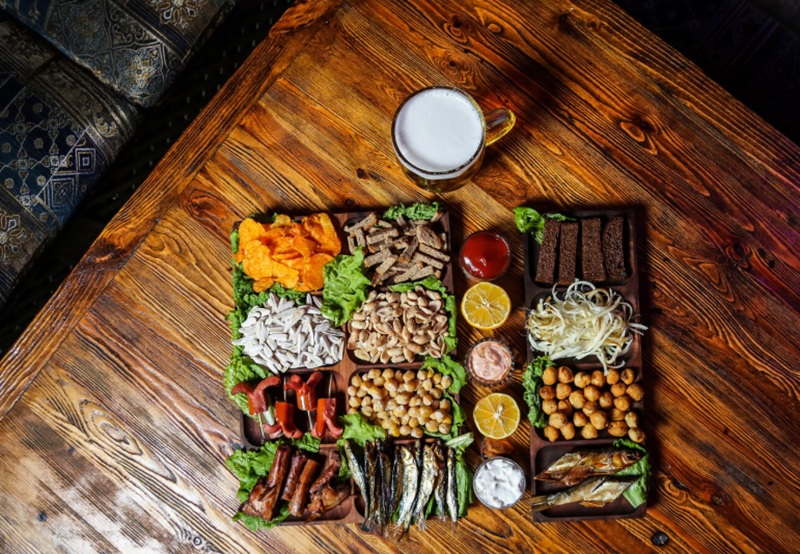
Something has subtly changed when you enter a Greene King pub in Earls Court on a Thursday night. There are still enough seats at the tables. The beverages are still being served. You could question if anyone ordered a main course at all if you look at what’s actually coming out of the kitchen small ceramic dishes of halloumi fries, bowls of loaded chips, and a sprinkling of mini tacos over the table. It’s possible that this is just the typical behavior of the City folks. Or perhaps it’s something more significant, a gradual rewriting of what it really means to go to the pub for dinner.
The latter is suggested by the numbers. Eating out expenditures have increased from an index of 63.0 in 2000 to 155.6 in April 2026, according to ONS restaurant and cafe price statistics. It’s not a blip. People’s ordering habits have changed as a result of this structural transformation, which has been working on the math of a midweek supper out for years. According to YouGov’s 2025 diningout survey, almost 38% of UK diners were eating out less than the year before, primarily due to growing expenses. In April 2024, Barclays reported a yearoveryear decline in restaurant spending of over 13%. Something had to give, and more often than not, it’s the entire dinner.
| Topic | Pub Snack Boards & Budget Dining in UK Pubs |
|---|---|
| Sector | UK Hospitality & Food Service |
| Key Players | Greene King, Wetherspoon, Fuller’s, Butcombe, Admiral Taverns, Cheshire Cat Pubs & Inns |
| Market Size (2025)** | UK pub food market valued at £24.1 billion (Lumina Intelligence) |
| Eating-Out Price Index | Rose from 63.0 (2000) to 155.6 (April 2026) — ONS data |
| Consumer Trend | 38% of UK diners eating out less due to rising costs (YouGov 2025) |
| Dominant Shared Dish | Chips, fries and wedges (Lumina Eating & Drinking Out Panel, Dec 2024) |
Pubs are still open. It indicates that they have adjusted. At the Peterville Inn in Cornwall, Tom Trubshaw realized that starters weren’t selling as much as they used to, so he created nibbles that cost between £5 and £6. He informed the Morning Advertiser that they take off. Lunch is a shared dish of chips, calamari, and mackerel pâté. A table of people grazing, drinking, and lingering longer than they could have otherwise not a threecourse meal. Although it’s a tiny data point, it accurately depicts the change that is currently taking place in hundreds of British pubs.
It’s important to consider the mechanics of the snack board’s attraction. No one is ever trapped into an expenditure they can’t undo, and a table of four can order a platter and continue ordering in rounds. Compare that to paying between £16 and £22 for each of the four mains. The board radically alters the emotional reasoning for a group if one member isn’t sure they’re hungry, the budget is subtly tight, or the company is more important than the food. Butcombe Brewery put it this way: customers have greater influence over the experience when they share dishes and use tiny plates. In today’s pub market, the term “more control” is highly effective.
From a different perspective, Fuller’s has observed anything similar. Small plates and postwork snack sharing are widespread in its city center locations, according to its commercial staff. That’s hardly a suburb where office professionals relax on a Tuesday without making dinner plans. A board is not a compromise to them. It’s the perfect product. Rather than being their restaurant, the bar is their third location. Three different dishes of pie and mash just don’t match that beat like boards do.
Declaring the entire meal to be finished would be incorrect. Gourmet burgers with chips, onion rings, and a drink are still available at Wetherspoon for about £8.46, and its curry club and pizza specials fall into the same price range as its threesmallplates offer. In many locations, Greene King offers two pub classics for £15.45 Monday through Friday, sometimes at a lower cost than its own snackplate bundle. These figures are familiar to anyone who counts every pound. There’s a perception that the complete dinner hasn’t lost the case for value; rather, it’s only lost the case when it comes to an increasing percentage of pub trips.
It appears that the fish and chips are not being replaced. The starter that used to precede it, the dessert that followed, and the second course that completed it are all part of the meal’s surrounding architecture. According to AHDB data, consumers are substituting steak for less expensive options, cutting back on the number of items in a dinner, and foregoing desserts. A portion of that reduced expenditure is absorbed by boards, which give it a fresh, eyecatching appearance. Sharing three plates seems more considerate than saying “we just skipped the starter.”
According to Bidfood’s 2026 trends study, which included more than 2,000 UK consumers, 68% would attempt a shared platter and 73% would eat a small dish. It is important to be adventurous. A lowcost diner may gladly spend £6 on a Korean chicken snack that they can refuse without losing the entire wager, however they might be hesitant about a £19 unfamiliar entrée. The board lessens the “regret risk”, or the worry that a significant investment won’t pay off. That dread is intense in a tight economy.
Looking at the information at hand, it’s difficult to ignore the fact that the board has evolved into something in between a social performance and a product. It appears plentiful when it gets to a table. It takes good pictures.
Without the receipt suggesting otherwise, it indicates that the group is enjoying a formal night out. According to Barclays’ research, “loud budgeting” has become popular as consumers become more transparent about their spending, and boards fit right in with that mindset. They may be the most cunning ploy in the current pub industry since they allow customers to save face and spend less at the same time.
Nevertheless, the most obvious inference from all of this is not that complete meals are becoming obsolete. The reason for this is because they are losing control over what constitutes a pub food event. Snack boards are currently being completed by more people than in the past, particularly around lunch, midweek, after work, and in groups.
That is not insignificant. Kitchen operations, menu design, and how operators present value to wary diners are all changing as a result of this structural shift. Whether it picks up speed depends on how much more eating out expenses increase, and as of right now, there’s no indication that the pressure is lessening.
i) https://prat.uk/britains-pubs-are-vanishing/
ii) https://www.insidehook.com/food/british-pub-really-dying/amp
iii) https://www.thisvivaciouslife.com/grazing-table-easy-delicious/
iv) https://www.cbs19news.com/news/health/snack-boards-expand-as-flexible-eating-replaces-traditional-meals/article_a032df54-046e-5c2d-b168-a0dbeaf33604.html