
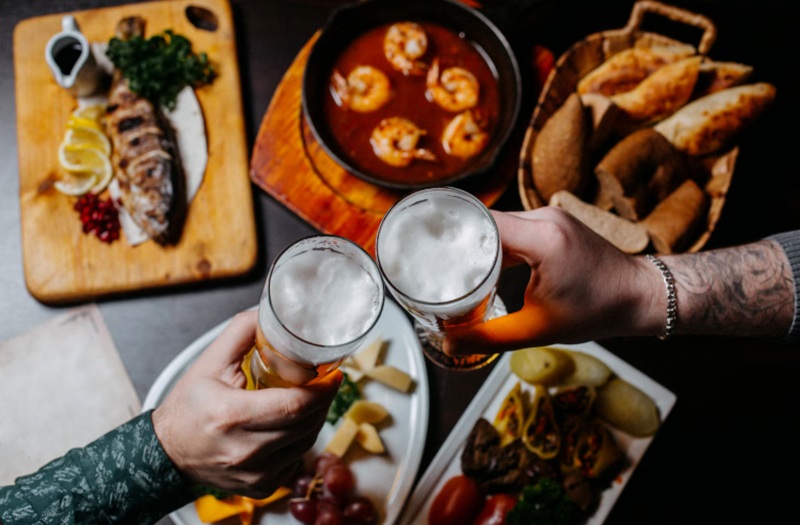
The similar scene may be found in practically any pub in Britain on a rainy Tuesday night when the rain hasn’t quite decided what to do. A bartender holding a pint. A pair eating loaded fries near the window. The aroma of something roasting in a kitchen that is probably working too hard. It comes naturally to me. It hardly ever is.
Comfort food’s predominance on pub menus in the UK is neither an accident nor a matter of custom. It is the outcome of a quiet deliberate realignment taking place throughout the hospitality sector which is equally motivated by altering consumer psychology economic pressure and a sincere grasp of what people want when they choose to eat out.
Pub menus increased 7.4% year over year with more than 11% more main courses according to Lumina Intelligence’s Menu Tracker for Q3 of 2025. That’s a big increase and the items driving that surge aren’t daring tasting menus. These dishes burgers pizzas and chicken now account for more than 45% of all pub mains nationwide.
| Category | Details |
|---|---|
| Topic | Comfort Food & UK Pub Menu Trends |
| Industry | UK Hospitality & Food Service |
| Key Research Source | Lumina Intelligence Menu & Food Trends Report 2025 |
| Market Data Partner | Birchall Foodservice / Country Range Group |
| Pub Menu Growth (YoY) | +7.4% year-on-year (Q3 2025, Lumina Intelligence) |
| Average Pub Main Course Price | £11.11 (up from previous year) |
| Top Menu Categories | Burgers, Pizza, Chicken — 45%+ of all pub mains |
| Consumer Insight | 63% would pay more for fresh/seasonal ingredients (Lumina Intelligence) |
| Sustainability Benchmark | 97% of hospitality businesses say ESG matters to their customers (Barclays) |
| Notable Pub Examples | The Pelican (London), The Fox & Pheasant, The Tamil Prince, Joshua’s Tavern at The Londoner |
The industry continues to return to these meals for reasons that go beyond the apparent. Pizza and hamburgers are familiar of course in 2025 familiarity is a valuable asset. According to Lumina’s research customers don’t want to be challenged every time they sit down at a pub table; instead they want comfort with creativity.” They want to believe that their decision was wise. That’s almost always what comfort food provides.
Perhaps more than the food business would care to acknowledge the economic environment is playing a role here. Lumina has seen a 4.2% price hike in pubs after several years of escalating menu prices and patrons have become considerably more cautious. Spending more consciously rather than necessarily less. Even with a decent brioche bun and a shattered burger of solid provenance it still feels fantastic. A pub’s experimental small plate idea may seem risky. Surprisingly the safe wager frequently wins.
The way operators are designing their menus around this psychology is fascinating. To keep menus feeling approachable headline prices for entry level goods are either maintained or even lowered. Mid range items appear to be reasonable value since the upper end is anchored by more expensive main courses.
Additionally the sides of loaded fries macaroni and cheese and bread with something decadent quietly raise average spend without ever turning away a customer. It’s really clever menu design and as you see it spread throughout the industry you begin to realize how much consideration goes into what appears to be a straightforward pub menu.
The gastropub movement which pushed consumers toward microgreens heritage breeds and ornate taster plates for years is still going strong. . Farmers such as Whittington Lodge and Paddock Farm continue to supply London pubs like The Pelican. Sunday roasts with Indian spices have been popular since the Tamil Prince introduced them.
The Fox & Pheasant strikes a mix between classic pork crackling and scotch eggs and health conscious selections like Perelló Gordal Picante Olives all without sacrificing the pub’s core values. Comfort food is not being abandoned in these establishments. Simply put they’re making it slightly better sourced and more engaging.
In ways that were not apparent a few years ago sustainability is woven throughout all of this. According to a Barclays hospitality analysis 97% of companies asked stated that their clients now depend heavily on ESG (environmental social and governance) frameworks. These days seasonal menus local sourcing and supplier traceability are not peripheral issues.
Even in bars that might not publicly promote them they are becoming table staples. There seems to be a growing desire among diners to feel good about their food not just taste good but also ethically good. Surprisingly comfort cuisine prepared with British ingredients from farmers whose names you could theoretically look up meets both of those criteria.
Because it’s subtly changing how pubs view the complete dining occasion the snacking trend merits its own discussion. Chipolatas with honey and mustard glaze. Bread with parmesan and paprika. Korean barbecue with crispy buttermilk fried chicken.
The Londoner’s Joshua’s Tavern and other pubs have created whole menu sections only for snacks. This isn’t filler; rather it’s a purposeful tactic to prolong the stay boost spending and provide hands on activities for patrons in between rounds. It works because these are nearly always comfort meals in tiny form.
The degree to which the social dimension has also changed is difficult to ignore. Pub menus are a part of the environment in which they are found. Every week there is a comedy night at the Coach House on Oxendon Street. Local musicians collaborate with The Dark Horse during live performances. Since the goal of these events is to keep guests in the room longer the cuisine must be appropriate shareable modest and fulfilling. A comedy night isn’t the ideal place for a charcuterie flight. Fries on a plate do.
All of this paints a picture of comfort food as a true strategic anchor for contemporary UK pubs rather than as a backup plan. It incorporates flavors from around the world such as Korean Japanese and Mexican cuisine into meals without losing its inherent warmth while staying firmly grounded in something recognizable enough to seem certain.
According to Lumina’s research bars that combine classic comfort food with adaptable internationally inspired offerings are the most likely to attract patronage in 2026. That’s not a forecast. It has already begun to happen at this point.
The British pub has withstood two world wars smoking prohibitions a pandemic and a crisis in the cost of living. It’s still here and the kitchen continues to smell delicious. That’s not nostalgia speaking. That’s comfort food doing what it usually does.
i) https://www.premierline.co.uk/insight-hub/pub-trends/
ii) https://www.thedrinksbusiness.com/2026/02/why-comfort-food-cocktails-are-dominating-bar-menus-in-2025/
iii) https://www.boakandbailey.com/2022/09/whats-going-on-with-pub-food/
iv) https://www.timeandleisure.co.uk/promotions/gastropub-food-trends-redefining-uk-dining/