
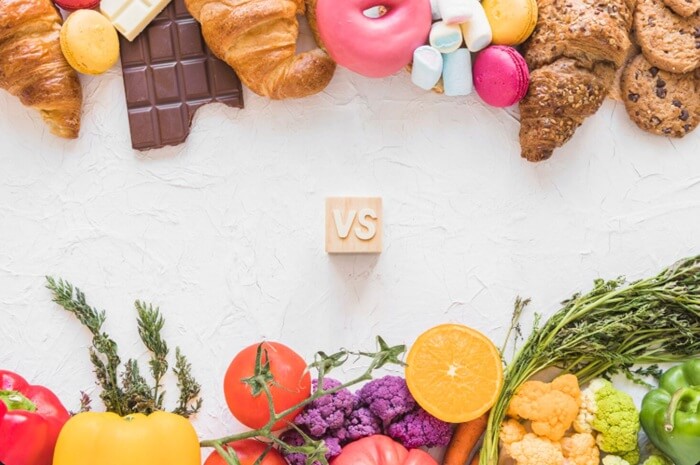
It normally starts to smell late in the morning. On Sundays, the smell of roasted meat, softening onions in the pan, and gently crisping potatoes in sizzling fat permeates practically every British neighborhood. The classic Sunday roast still seems obstinately alive in a nation that is fixated on protein intake and avoiding carbohydrates.
At the dinner table, however, a subtle change is taking place. The steak, veggies, and gravy on the platters are familiar, but the potatoes may be absent. Or swapped out with mashed swede, or sometimes even cauliflower rice. Britain appears to be redefining Sunday supper in a way that is somewhere between tradition and metabolic science.
| Category | Details |
|---|---|
| Cultural Tradition | Sunday Roast Dinner |
| Origin | United Kingdom |
| Typical Components | Roast beef or chicken, potatoes, Yorkshire pudding, vegetables, gravy |
| Modern Dietary Trend | Ketogenic (Low Carb) Diet |
| Notable Public Figure | Joe Wicks (British fitness coach promoting healthier recipes) |
| Cultural Significance | Weekly family meal tradition across Britain |
| Nutritional Debate | High carb comfort food vs low-carb metabolic diets |
| Reference Website | https://www.nhs.uk/live-well/eat-well/ |
There has always been more to the traditional roast than just food. It’s customary. Awkwardly reaching over the gravy boat, families huddled around the table, squabbling about football results. In the past, the dinner was centered around plenty: Yorkshire puddings that inflated up like edible balloons, roast potatoes that were crisp on the outside and fluffy within, and roast meat that was high in iron and protein. With a significant amount of carbs, protein, and fat, the dish may easily approach 900 calories.
However, the discourse surrounding food has evolved in the last ten years. The terms keto diets intermittent fasting, and low carb living” have become commonplace. It’s quite likely that someone nearby will be discussing blood sugar, insulin spikes, or “getting back into ketosis” if you walk into a London café today. There may be a subtle cultural change taking place in Britain, one that is being triggered by grocery lists rather than demonstrations or laws.
Instead of rejecting tradition, fitness guru Joe Wicks, who gained popularity by advocating for better cuisine, has capitalized on this contradiction. He takes a practical approach. Save the roast meat. Save the veggies. Just reconsider the starch. Some of his low carb Sunday roast recipes completely omit the potatoes in favor of additional greens or carrot and swede mash.
It’s difficult to ignore how versatile the roast is when you’re standing in a busy London kitchen and watching trays glide into an oven. The platter remains anchored by the meat. Cabbage, peas, and carrots don’t alter. The carbohydrate layer that once characterized the meal is the subject of a long and quiet controversy.
Carbohydrates were regarded as necessary fuel for many years. Low fat dietary recommendations throughout the 1970s and 1980s promoted bread, potatoes, and pasta. The pendulum then began to swing. By the 2010s, fat and protein were being restored, while refined carbohydrates were being blamed for the rise in obesity rates.
Further, some proponents of the ketogenic diet contend that by activating the brain’s reward systems, carbs may cause cravings. Yale University researchers have investigated how highly processed meals high in carbohydrates might trigger brain reactions associated with addictive behavior. The concept persists in popular health culture, though it is still up for debate.
However, when that argument clashes with the Sunday roast, there is an odd reluctance. The roast is still practically holy if you spend an afternoon in a classic pub with wood paneling and comfortable clothing. Plates filled with rich sauce, Yorkshire puddings, golden potatoes, and meat are brought in. Glycemic indices don’t seem to be very popular with diners right now. Comfort, reminiscence, and the leisurely cadence of a lengthy dinner are their main concerns.
That persistence has a really British quality. It’s difficult to ignore the fact that the roast endures in part because it stands for consistency in a culinary culture that is otherwise characterized by continual change. Plant based burgers are omnipresent avocado toast is introduced, and smoothie bowls are popular for a few years. However, roasting meat and sharing veggies around the table still dominate Sunday lunches.
Even keto enthusiasts frequently make concessions. Rather of giving up on the roast completely, they alter it. Instead of potatoes, use cauliflower mash. The platter is filled with extra greens. To prevent hidden sugars, the gravy is created from scratch. Strangely, rather than replacing the roast, keto may be prolonging its life.
Once the vegetable that was ignored for decades, cauliflower has emerged as the low carb movement’s unsung hero. Everywhere keto chefs innovate, it may be mashed, roasted, or even used into pizza bases. Its versatility mild taste, good fiber, and the capacity to replicate starch without the carbohydrate load is frequently cited by nutritional therapists.
The future of Britain’s culinary culture is still up in the air. Dietary trends typically follow cycles. What seemed groundbreaking today frequently fades into the background the next day. In contrast, the roast has endured for centuries in the culinary world.
It seems that the true conflict between roast dinners and keto diets isn’t evident when families are gathered around a Sunday table. Comfort and metabolic efficiency are at odds with ritual and optimization. And ritual still appears to be prevailing, at least for the time being. However the potatoes They may have a less secure future.
i) https://www.bbc.co.uk/food/articles/separate_dinners
ii)https://www.mrdbourke.com/4-day-fast/
iii) https://www.dailymail.co.uk/health/article-15594417/Cauliflower-Expert-explains-humble-white-vegetable-supercharge-nutrition-star-mealtimes.html