
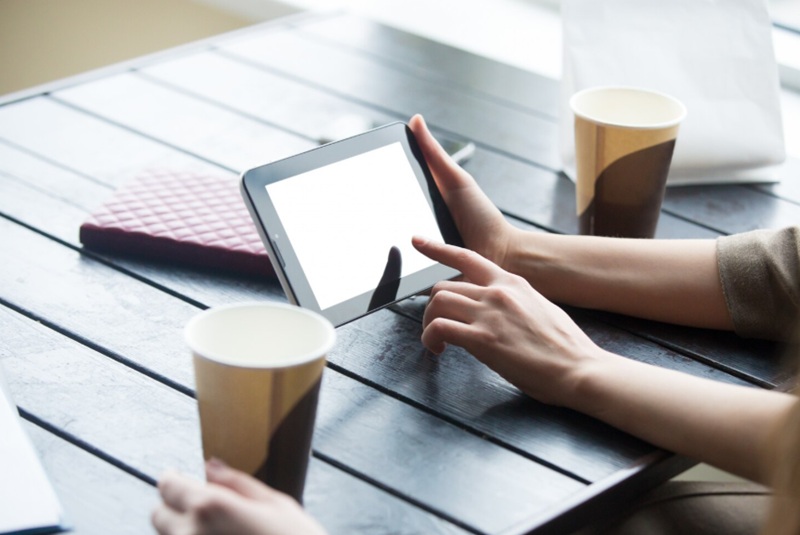
On a rainy Friday night in a local cafe the first talk at the table was not about the wine or the soup or the specials. It was about the black and white QR code that was inserted between the salt and pepper. One diner reached for his glasses another held her phone in the pendant light while a third asked if anybody had a paper menu. The room smelled of garlic butter and damp wool coats. But the dish was already on a screen.
That’s why digital menus are different from paper ones. It’s not just the same array of dishes behind glass. They alter the tempo of selection. A paper menu opens like some private little theater beckoning two hands and a wandering eye and a jest about ordering too much. The phone menu arrives with notifications on the edge battery worry in the air and the slight sensation that the restaurant knows which dessert was looked at twice. Hard not to notice how a simple scan makes dinner feel like administration.
| Field | Important Information |
|---|---|
| Subject | Digital menus in restaurants, opened by QR code or shown on tablets |
| Why restaurants adopted them | Faster updates, lower printing costs, contactless service, better item data |
| Main customer tension | Convenience for some diners, irritation for others who miss the feel and pace of paper |
There are good reasons restaurants use them. According to the National Restaurant Association operators are putting money into technology to improve customer experience and service efficiency. Printed menus are problematic in the face of rising food costs; a scallop dish can be unprofitable by the time the next print run comes around. With a computerized menu you can adjust prices before lunch make sold out items disappear and if you’re running low on basil in the kitchen stop promising pesto. That flexibility is a good thing. It feels slippery too.
Paper with all its stains and crooked corners has a kind of honesty about it. When a waitress brings out a menu the restaurant is making a tiny commitment: this is what we are providing at least for tonight. Digital menus add a little bit of doubt. Was the pricing just changed? Is the “.popular” tag a matter of taste margin or software nudging? Most diners probably don’t think about it consciously but the sense is there.
The screen also influences the way individuals read. Online readers have long been seen by usability researchers to scan more than they linger skipping around pages and seeking for signals. That habit carries across to the table in a restaurant. Instead of comparing appetizers entrées and sides on a broad page guests click between categories tap open and back out losing the general map. The mushroom pasta can be three swipes below the burger. Paper gives the eye a playground.” Digital need the thumb to work.
There’s also the social awkwardness. They sit around a table paper menus held up like a temporary curtain. They are all hidden together studying laughing looking over the top. Phones divide us in many ways. Heads drop. Blue light finds faces. One feigns reading about oysters while checking a message. To see this happening feels like the menu is another cause to duck back into the device we were ditching.
Nostalgia can remain too easy. Paper menus aren’t holy cows. They get sticky and old and pricey. Restaurants modify seasonal specialties or raise pricing by a dollar wasting paper. Digital menus can show allergens translations calories info and crisper descriptions without cluttering the page. For chains operating under FDA menu labeling standards it’s much simpler to change nutrition facts across locations when the menu exists in a system rather than in a pile of laminated pages.
The best digital menus know that hospitality is not efficiency. They load fast . They don’t make you download an app. They maintain the font large enough for older diners and the brightness low enough for a dimly lit environment. They don’t turn every decision into an upsell parade. A terrible digital menu is a vending machine in restaurant clothes. A good one is a quiet one that steps back gives the guest enough information and lets the evening breathe.
The smarter route may be less about adopting one format and more about reading the room. A QR code put near the window helps a food truck with a rotating list. A phone for a hotel room service menu makes sense. But a date night restaurant should think carefully before making visitors goggle at entrées in between text warnings. Paper has weight and texture. Its cover can tell you if a place is proud cheap dramatic or trying too hard. The paper menu slows people down. Sometimes slowness is part of what they came to buy.
Digital menus feel different because they are different. They inject data velocity and nimbleness into a ritual that rests on appetite communication and trust. That bargain can work but only if restaurants realize that ordering meals is not simply choosing inventory from a computer. It’s a modest human rite beginning the instant someone glances around and queries hopefully what sounds good tonight.
i) https://restaurant.org/education-and-resources/resource-library/where-operators-plan-to-invest-in-tech/
ii) https://www.fda.gov/food/nutrition-food-labeling-and-critical-foods/menu-labeling-requirements
iii) https://www.nngroup.com/articles/how-people-read-online/
iv) https://www.restaurantbusinessonline.com/technology/4-tech-trends-emerged-national-restaurant-association-show