
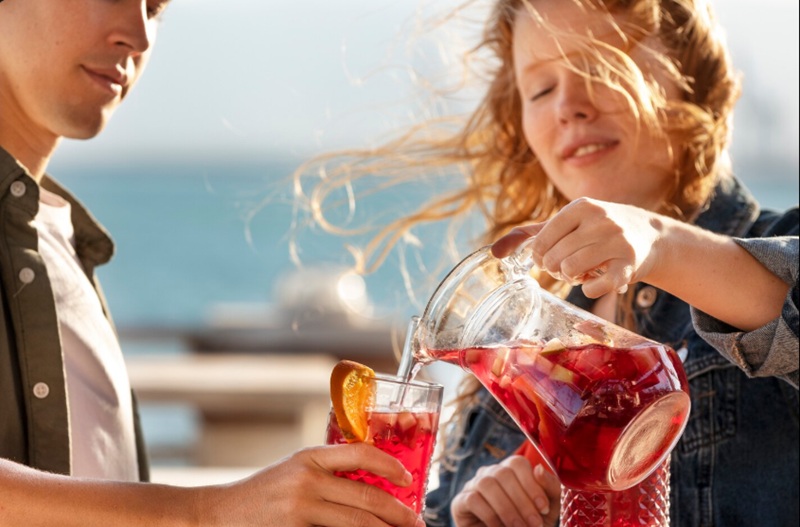
The narrative of Lillet Spritz’s journey from a niche French aperitif to one of the fastest growing orders in rural British hospitality is set against that idyllic backdrop. It was not preceded by television advertising or celebrity promotions. It was seen across beer garden sightlines, TikTok streams and the kind of Google search you do when you see something lovely and want to know what it is.
Ancient is Lillet. Raymond and Paul Lillet, wine merchants with a sense of time, founded Maison Lillet in 1872 in Podensac, a small hamlet in the Graves area of Bordeaux. When they created Kina Lillet in 1887, Europe was crazy for tonic wines spiked with quinine from the South American cinchona tree. The 1930 Savoy Cocktail Book lists 23 recipes for the drink, and in Casino Royale, James Bond’s Vesper Martini had half a measure of Kina Lillet. It was a bartender favorite for decades but unknown to most drinkers.
Hardly anyone expected how the 1985 reformulation would influence the liquid. In 2008, Pernod Ricard acquired the brand and had the scale and marketing experience to relaunch it. The quinine fell away, the sugar level reduced and the honey and stone fruit of the Semillon and the herbal lift of the Sauvignon Blanc came through. The seventeen percent aperitif was varied and more importantly, good on its own. The most recent was Lillet Rose, with its wild strawberry and pink grapefruit flavor, in 2011.
A revolution in British outdoor drinking was approaching. By the mid 2010s, Aperol Spritz has trained a generation to think of balloon glass, ice, bubbles, and afternoon sunshine as shorthand for leisure. Aperol was everywhere you could have it at every garden centre cafe, prosecco bar and gastro pub from Somerset to Cheshire and some customers started seeking something more complicated.
Not as sweet as orange and not as powerful. The data reveals Lillet Spritz, Lillet rose and how to prepare a Lillet Blanc tonic have been climbing continuously, indicating the cocktail is becoming part of daily life rather than a seasonal spike. Aperol Spritz queries surge significantly during heatwaves, drop off just as fast
Search patterns may tell the story well. Questions are not popular anymore. They moved from what is Lillet to.Lillet Rose tonic ratio. Lillet Spritz garnish Lillet vs vermouth, and” where to buy Lillet rose. It’s a consumer that wants it and is learning how to do it at home. Brand loyalty is created in real time without spending a penny on searchers.
It’s a strange place to do this change, a country pub. That explains the people in those beer gardens right now. The pandemic transformed the communities of wealthy professionals. People who went to Shoreditch or Kensington rooftop bars on weekdays went to the Cotswolds, Surrey and North Yorkshire, but retained their drink tastes.
Publicans Considered A wet led bar based on Guinness and house white had to evolve and the Lillet Spritz provided a premium margin and easy service, a rarity in hospitality. 50ml Lillet Fever Tree bottle Ice cubes Slice of grapefruit Glass to table in under 30 seconds. Pubs charging 8 11 quid. Business conditions are good.”
Three things have sped this up in the last year or two. Ready to drink Lillet and tonic in elegant two hundred milliliter bottles and cans removed the final hurdle for tiny establishments without proper staff training. Young’s rolled out 10,000 Rhubarb rose Spritzes through its mobile app, bringing the cocktail to clients who might never have chosen it from a chalkboard menu.
In the UK in early 2026, Pernod Ricard introduced Lillet Blanc zero percent, a vacuum distilled, de alcoholized version of Lillet Blanc, with the same honeyed citrus flavor but no alcohol. Ideal in a rural region because someone has to drive home all the time anyway.
Visual culture is less easy to measure, but impossible to ignore. Lillet rose Spritzes in suits look fantastic. Pink bubbles rising through thick ice, grapefruit wheel in the warm light of the afternoon. Good subject for a shot. The post is live. It becomes public and searchable once you post it. The discovery, the curiosity, the purchase, the satisfaction, the repeat of this drink seem to beyond normal advertising frameworks. Pub gardens and smartphones are doing better than TV advertising did.
As the market matures Lillet may continue down this way or be supplanted by something newer and shinier. But the search data, pub partnerships, the demographic shift to conscious low alcohol consumption and the drink’s flavor and look are all pointing in the same direction.
The country pub, the most resolutely conventional of British institutions, appears to have discovered its summer drink. The recipe comes from a little village in Bordeaux where two brothers have been preparing it since 1872.
i) https://britbrief.co.uk/business/economy/how-lillet-became-the-fruity-floral-drink-of-summer-2025.html
ii) https://www.thespiritsbusiness.com/2026/03/lillet-ditches-alcohol-for-blanc-0/
iii) https://www.just-drinks.com/news/pernod-ricard-non-alc-lillet/
iv) https://drink.haus/blogs/news/top-lillet-cocktails