
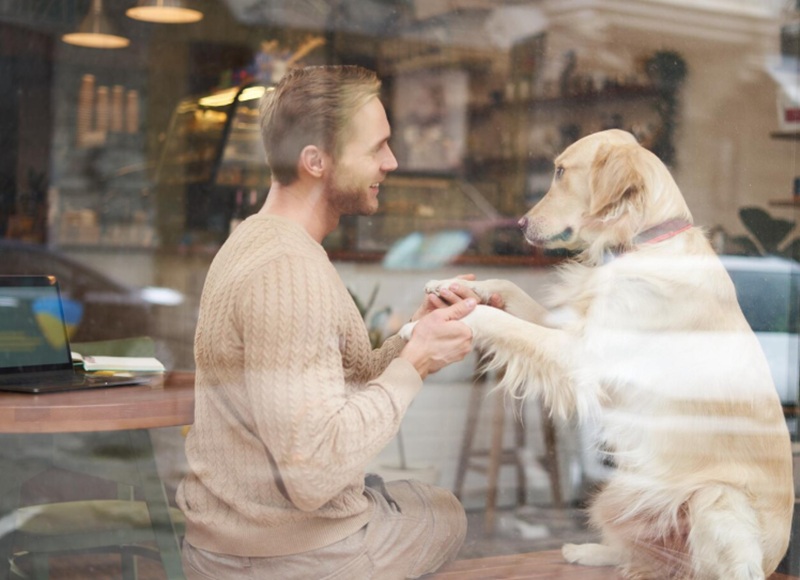
Something has subtly shifted when you go into the correct kind of local pub on a Sunday afternoon. A spaniel sits beneath the chair of the couple seated at the window table. Without being asked, the barman kneels down, asks the dog’s name, and delivers a dish of water. No one takes a second look. Even though it’s a brief time, it reveals a lot about the pub’s perception of itself and its patrons.
In the UK, bar dogs are becoming a part of the customer experience not because patrons suddenly become fond of animals, but rather because the economy changed. According to the PDSA PAW Report 2024, there are 10.6 million pet dogs in Britain, up from 8.2 million in 2011, and 42% of current owners have never owned a dog as adults. According to Euromonitor, 71% of pet owners worldwide currently report making leisure selections based on an animal they care for as a family member. This is a sizable and continuously expanding audience. 51% of UK pet owners, according to Mintel, would reduce their personal expenses prior to acquiring a pet. The pub with a clean water bowl and a clear welcome is no longer being courteous when that is the person choosing where to eat on a Saturday. It provides a solution to a real planning issue.
| Category | Detail |
|---|---|
| Topic | Dog-friendly hospitality in UK pubs |
| Key Organisations | The Kennel Club, Rover, RSPCA, Morning Advertiser, PDSA |
| UK Dog Population (2024)** | 10.6 million (up from 8.2 million in 2011) |
| Adults Who Own a Dog | 28% of UK adults |
| First-Time Adult Dog Owners | 42% of current owners |
| Owners More Likely to Visit Dog-Friendly Venues | 72% (Kennel Club) |
| Owners Who Stay Longer with Dog Present | 55% (Kennel Club) |
| Owners Who Spend More with Dog Present | 52% (Kennel Club) |
| Owners Who Research Before Visiting | 64% (Rover) |
| Owners Who Have Left a Claiming-But-Not-Delivering Pub | 24% (Rover) |
| Pub Managers Noting Increased Social Interaction | 82% (Morning Advertiser/Kennel Club) |
| Dog-Friendly Eating Places in UK | Over 9,000 (Kennel Club) |
The numbers from the Kennel Club are worth considering. According to 72% of owners, if their dog is allowed to accompany them, they are more inclined to go to a restaurant, cafe, or pub. Fifty five percent would remain longer. Fifty two percent would increase their spending. These numbers have significance for pubs negotiating growing expenses, dwindling drinking patterns, and ongoing competition from supermarkets and home delivery: a justification for selecting one location over another and a way to prolong the customer’s stay once they arrive. The dog isn’t bringing in money for the tavern. It’s making money off of the owner’s less stress and more time.
It seems that many operators are still getting used to what this truly requires. According to a Rover survey of 3,000 dog owners in the UK, 64% of them look up dog friendly bars before going. Finding an appropriate one is a challenge for one in three. Additionally, 24% of people have left a place that advertised itself as dog friendly but didn’t actually feel that way. The final figure is crucial. A dog friendly claim is a promise, and the experience has already failed if the bowl is unclean or pushed behind the bar, or if the employees appear unsure when a big dog shows there. The buyer was drawn in by the website. They were disappointed by the room.
Publicans may have misunderstood the legal position, which contributes to this disparity. According to a Kennel Club study published in the Morning Advertiser, 76% of bar managers mistakenly thought that, aside from assistance dogs, health and safety regulations might prohibit dogs from being on the property. Guidelines for food safety are more useful than that. Dogs are permitted in public areas of food establishments.
They are not allowed in areas where food is prepared, handled, or stored. In other words, the experience is dependent on management decisions rather than a general norm. This indicates that a bar is already compliant if it keeps dogs away of places where food is prepared, teaches employees how to wash their hands after handling them, maintains clean bowls, and arranges seats in a sensible manner. It is more appropriate to ask whether the experience has been well planned rather than whether it is allowed.
More often than not, staff attitude proves to be the key factor. An ordinary dog menu can be overlooked by an owner. A friendly welcome sign on the door followed by obvious misunderstanding at the bar is far less likely to be forgiven. Rover’s checklist, which was created with cooperation from the RSPCA, states that the best employees don’t overhandle dogs or give out food without permission.
They keep the arrival under wraps, show the owner to an appropriate table, and determine whether the dog needs water before placing the drink order. The dog calms down more quickly. The proprietor unwinds. The visit is prolonged. When the Kennel Club statistics indicates that owners stay longer and spend more, it is actually defining that outcome, which can result from anything as simple as a confident greeting.
Beyond the immediate revenue case, this has a social component that makes it worth considering. According to the Morning Advertiser, 79% of bar managers reported a better overall atmosphere and 82% reported increased customer engagement when dogs were present. It’s easy to see why. A dog offers a safe first move to strangers. Customers become accustomed to and anticipate a regular dog as part of the pub’s weekly routine. Pubs have historically provided and are increasingly finding it difficult to maintain that kind of low pressure social fiber. When properly cared for, dogs can regain some of it without the food or beverages being altered.
If the space isn’t made to allow folks who would prefer not to sit next to an animal, none of this will work. Resentment is generated by a bar that forbids dogs from entering any part of its premises, disregards patrons with allergies, and allows dogs to cross sidewalks. In order to make dog owners feel welcome and everyone else feel taken into consideration, the greatest organizations provide true choice indoor zones, peaceful areas, and clear signage.
It’s possible to strike that balance, and when it does, the facility is described by reviewers as not only dog friendly but also as a place where the entire visit seemed effortless. The commercial value on getting this right compounds over time since such reviews spread quickly through walking groups and WhatsApp talks among dog owning communities. What started out as putting up with a dog beneath a table has evolved into something more akin to service design. Pubs that recognize this difference are the ones that develop a loyal clientele.
i) https://pubs.rover.com/what-makes-a-pub-dog-friendly/
ii) https://www.express.co.uk/life-style/life/1948559/best-pubs-dogs-survey-nottingham
iii) https://www.comparemyvet.uk/blog/pet-friendly-restaurants-uk/
iv) https://www.shootinguk.co.uk/gundogs/dogs-in-restaurants-whats-the-law-on-it/