
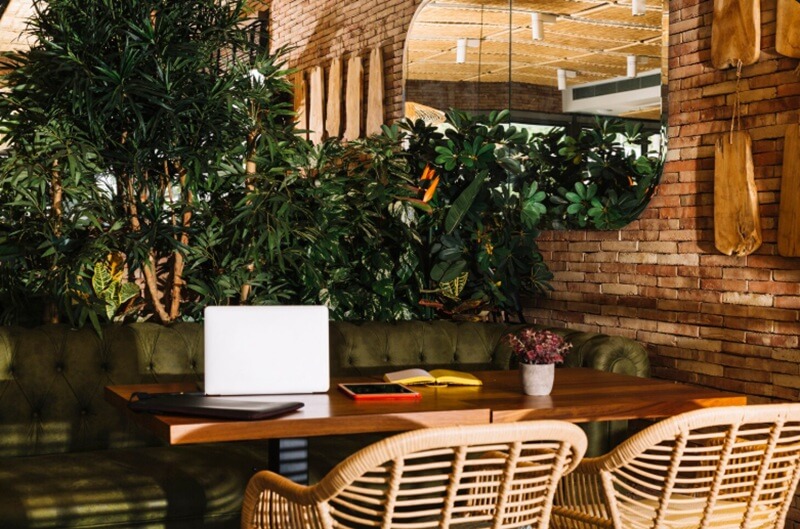
This summer, Britain’s beer gardens are experiencing something subtly out of the ordinary. Not very dramatic. Not worthy of a headline. However, it becomes apparent if you stay long enoughfor example, at a wooden picnic table in South London around 2:00 p.m., when the after work crowd hasn’t yet arrived and the midday crowd has subsided.
A half pint of pale ale is next to a man in a linen shirt who is typing on a laptop. A woman takes a call two tables away, using one hand to protect her screen from the sun. Nobody appears to be in a rush. While it’s not entirely leisure, it’s also not as productive as it formerly was.
| Category | Details |
|---|---|
| Topic | Pub Gardens as Summer Workspaces |
| Industry | Hospitality / Work Culture / Lifestyle |
| Key Player | Stonegate Group (Major UK Pub Operator) |
| Trend Driver | Post-pandemic outdoor social habits |
| Popular Feature | Beer gardens, outdoor seating, BBQ events |
| Cultural Context | Rise of hybrid work and flexible schedules |
| Notable Tool | Sunseekr (tracks sunny pub locations) |
| Reference Website | https://www.stonegategroup.co.uk |
Pub gardens, which were formerly only used for long nights and weekend get togethers, might be subtly evolving into casual, sunlit extensions of the contemporary workplace. This change seems inevitable in part. Many employees have been adjusting to new habits, combining home, cafes, and shared spaces, since the epidemic changed people’s perceptions of offices. However, there’s also a feeling that something more cultural is taking place. The previously solid British bond with outdoor socializing has grown stronger. Once seasonal benefits, beer gardens now feel essential.
Stonegate Group and other operators have taken note. Longer visits, earlier arrivals, andinterestinglymore midweek activity are all seen at pubs with outside spaces. It was dead time once. It’s an unclear moment now.
It’s difficult to ignore how the surroundings alter behavior as you watch it happen. Pubs can feel crowded, dark, and nearly impervious to daylight indoors. Everything is gentler outside. Talking goes on. Individuals remain longer. Laptops open almost carelessly, as though work hasn’t been properly brought into the room but has instead just wandered in.
It also makes sense practically. Outdoor seating increases capacity, lessens crowding, and generates adaptable spacessome for quiet times, some for socializing. This results in revenue for pub owners that begins earlier and ends later. It creates a more difficult to define setting for visitors, one that doesn’t require a distinct line between work and relaxation.
This isn’t totally new, of course. For a long time, Cafe s have functioned as unofficial offices. However, the emotional weight of pubs is different. There is a past there. ceremonial. The smell of grilled food, the clatter of glasses, and the soft murmur of conversation. It is more communal and less transactional.
The concept of working from a pub has a small amount of tension. Some people don’t think it’s sustainable. Even a single pint at 2:00 p.m. feels decadent. Additionally, there is the issue of productivity: does this laid back environment improve concentration or subtly undermine it?
However, the very concept of productivity appears to be changing. Eight hours of tight desk sitting no longer conveys the same authority. Does it matter where the job is done if someone responds to emails while festoon lights are on and there is a mild crackling sound from a BBQ nearby?
It doesn’t, according to some business owners. They’re actually leaning into it. Pubs are increasingly holding activities during the day, such as outdoor office hours, remote work gatherings, and casual networking sessions. It is not polished. It feels experimental at times. However, it has a certain energy, as though something is being tried in real time.
Technology also has a role to play. At first glance, tools like Sunseekr, which map out which pubs are in the sun at any given hour, may seem insignificant. However, they show something more profound: people are organizing their days around light rather than just practical considerations. about experience rather than efficiency alone.
The true story here may lie in that change, which is modest but persistent. However, there is a lifestyle component that is difficult to overlook. There is a certain allure to operating or working in a bar with a beer garden, particularly during the summer. It has a different rhythm. The labor is still there, often hectic and frequently taxing, but it takes place outdoors, beneath shifting skies, among individuals who are there voluntarily.
Something seems to have changed for the time being. There has been a noticeable blurring of the lines between work and pleasure. Enough to alter behavior. And there’s a subtle feeling that this might not be a fleeting novelty as you sit there and watch someone refresh their inbox while sunlight flickers across the table. It may simply be the current state of summer employment.