
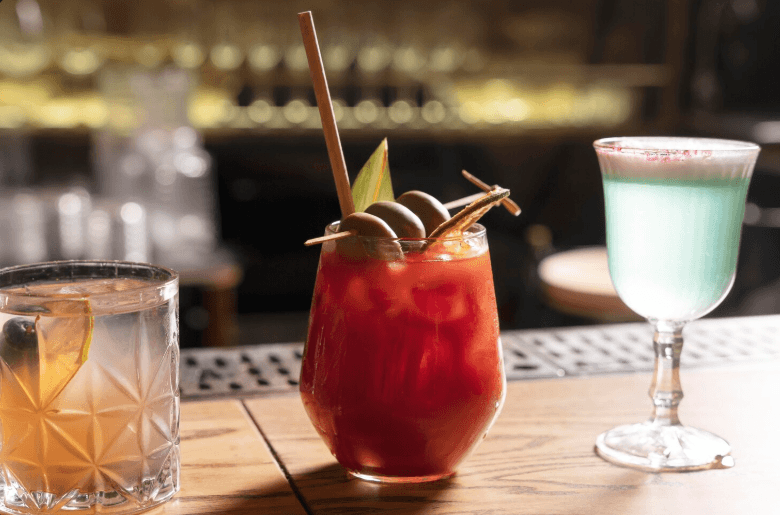
A centuries old bar was undergoing a subtle metamorphosis on a damp London evening not so long ago. The carpets were still subtly patterned in that distinctively British style, and the wooden bar was sanded smooth from decades of elbows. However, a bartender was meticulously stirring a martini beneath the faucets that were dispensing ale and lager. Don’t hurry. Don’t be dramatic. Just quiet accuracy. The scene seemed strangely foreign to anyone who had grown up believing that pubs were just for beers. It also brings up a question that pub owners in Britain and, more and more, around the world appear to be asking themselves: can the classic pub truly compete with the contemporary cocktail bar? After all, history is on the pub’s side.
The British public house was already ingrained in everyday life long before handmade gin flights and smoked Old Fashioned showed up on Instagram feeds. Its origins can be traced to Roman roadside taverns that served wine to soldiers on the go. There was supposedly one tavern for every 200 inhabitants in England during the late 1500s. Pubs are still somewhat of a national institution today, despite closures and growing expenses. However, when preferences start to change, institutions may feel vulnerable.
| Category | Information |
|---|---|
| Topic | Evolution of Traditional Pubs vs Cocktail Bars |
| Key Example Venue | The Dead Rabbit |
| Industry | Hospitality / Nightlife |
| Origin of Pubs | Roman taberna drinking houses (around 43 AD) |
| Key Trend | Rise of the “cocktail pub” blending pub culture with mixology |
| Reference Source | https://www.thespiritsbusiness.com |
On a Friday night, if you stroll through areas of Soho, Shoreditch, or Manchester’s Northern Quarter, you’ll notice that the vibe is usually concentrated around cocktail bars. Their menus are filled with inventive cocktails, and they shine with neon light. Citrusy highballs, mezcal concoctions, and espresso martinis presented in classy glasses. The craft, presentation, and feeling that the drink is a part of the evening’s entertainment all appear to appeal to younger drinkers. Observing that tendency, it’s understandable why some pub landlords have become uncomfortable.
However, the narrative might not be as straightforward as pints versus cocktails. In actuality, there has been a more subdued change taking place within bars. Some operators have begun combining the two worlds, initially in an almost experimental manner. Consider establishments like The Dead Rabbit, which debuted in the financial area of Manhattan in 2013. The idea of an Irish pub offering top notch drinks, which at first seemed odd, was the foundation upon which the establishment earned its name. A menu honoring the heyday of mixology coexists with classic pub ambiance and wooden furnishings. The combination worked somehow. It was appreciated by critics. Crowds trailed behind.
Seeing such locations flourish appears to have piqued interest elsewhere. A new category has subtly surfaced in Dublin, London, and Paris: the cocktail pub. It is not intended to take the place of ale or beer. Rather, the goal is to expand the selection without sacrificing the comfortable atmosphere of the pub. For instance, the ambiance in one such location in Fitzrovia is still distinctly pub like. The occasional clink of pint glasses, wooden bar tops, and informal conversation. However, the menu now offers smaller cocktails, frequently referred to as tiny cocktails, which are scaled down versions of traditional drinks like Negronis or martinis. Like a half pint in the realm of cocktails, they arrive swiftly.
It’s a smart middle ground. Without slowing down the bustle of a busy pub, patrons get variety. It turns out that speed has a role. Patience is typically needed at traditional cocktail establishments. Drinks can take several minutes to create, which is OK in a lounge but a little awkward in a busy bar where patrons anticipate prompt service.
Pre batching cocktails or even putting some drinks on draft are some venues’ solutions to this problem. Purists may object to the notion. However, consumers don’t often seem to care. It’s interesting to note that pubs can still have an advantage over cocktail bars: a feeling of democratic space. An accountant, a university student, and a construction worker are frequently seen leaning against the same bar rail in a pub. Rarely does the setting require a reservation or a dress code.
On the other hand, cocktail bars occasionally have an implicit exclusivity. The menus are more intricate, the lighting is moodier, and the prices are occasionally greater. This distinction is more significant than it might seem. According to recent UK surveys, a lot of individuals still go to pubs mostly to mingle rather than to pursue a particular beverage. Pubs are a significant social hub, according to over 70% of Britons. It is challenging for trendier places to replicate that feeling of familiarity the informal meeting spot. Pubs are not impervious to pressure, though. The industry has been forced to reconsider its model due of rising expenses, fewer monthly visits, and younger generations consuming less alcohol overall.
Cocktails might not even be competitive in the situation. They might just be an additional tool. Some landlords seem to have an innate understanding of this. You’ll notice something subtle when you walk into some of today’s rebuilt pubs: shakers, bitters bottles, and citrus presses are tucked away next to the beer taps, which nonetheless dominate the bar. Not too much. Just be there. It’s feasible that the pub of the future will resemble that, with half tradition and half adaptation.
As this change takes place, it seems like the pub is subtly changing rather than vanishing. The primary concept a room full of people sharing a drink and chatting late into the evening—remains remarkably robust despite the sticky carpets fading and the drink menus growing. And maybe it doesn’t matter as much now whether that drink comes in a coupe or a pint glass.