
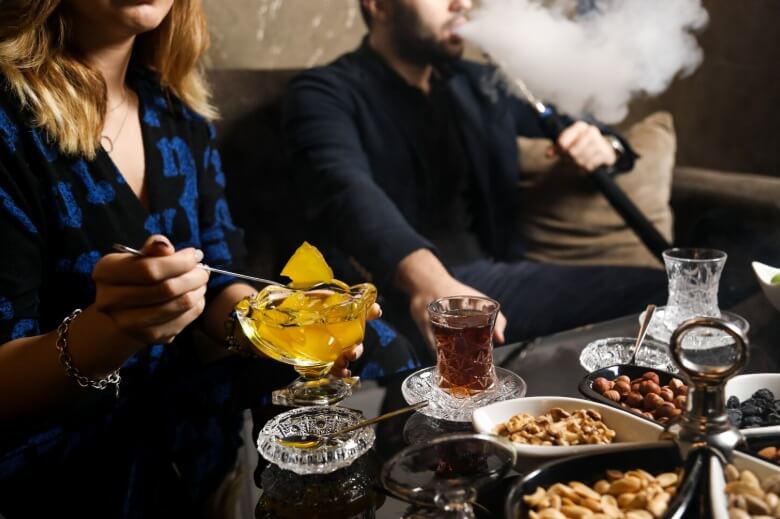
The line outside a small cocktail bar on a soggy Friday night in East London appears to be very familiar puffer jackets, laughter leaking onto the sidewalk, a person tinkering with their phone while waiting for pals. What people are ordering after they enter is a little out of the ordinary Not tonics and gin. Not even the popular IPAs in the city. It resembles a yuzu mojito with crushed mint and no alcohol most of the time that would have sounded like a punishment drink ten years ago.
It almost seems trendy now. In Britain, there is a growing perception that expertly made, botanical heavy, and even quirky mocktails are becoming into a cultural signal, much like craft beer did around 2012. Something you select for identification as well as taste. It’s difficult not to wonder if Britain’s relationship with booze is subtly changing when you watch the pattern play out in London clubs.
| Category | Details |
|---|---|
| Topic | Britain’s Sober Curious Movement & Rise of Mocktails |
| Key Figure | Ruby Warrington |
| Profession | Author & Cultural Commentator |
| Known For | Popularizing the term “Sober Curious” |
| Industry | Non-Alcoholic / No- and Low-Alcohol (NoLo) Beverage Market |
| Key Trend | Growth of alcohol-free beers, spirits, and mocktails |
| Cultural Drivers | Gen Z health awareness, wellness culture, Dry January |
| Reference Website | https://www.seedlipdrinks.com |
Younger drinkers contribute to the trend. Compared to millennials at the same age, members of Generation Z, who were born approximately between 1997 and 2012, drink significantly less. According to surveys, about 30% of young adults in the UK now abstain from alcohol completely. Many others engage in what bartenders humorously refer to as zebra striping which involves switching between alcoholic and non-alcoholic beverages on the same evening.
It goes beyond simple moral restraint. Social media, finances, and health all appear to be factors. For many younger professionals, alcohol increasingly has the same stigma as cigarettes had twenty years ago: it is socially acceptable but slightly dubious. Drinks are still consumed after work.
However, the desire to awaken the following morning with a clear head seems to have increased. The outcome is visible inside some bars in Soho or Shore ditch. With the same theatrical attention to detail used for whiskey cocktails, bartenders measure syrups, muddle herbs, and garnish glasses. The absence of ethanol is what makes a difference.
Recently, a bartender outlined the issue with a faint smile. As he sliced grapefruit peel, he remarked, Making a good mocktail is actually harder than making a cocktail. Alcohol conceals many errors. He may be correct. Early non-alcoholic beverages frequently had a pricey lemonade flavor. In aspects reminiscent of vermouth or amaro, the more recent generation seems different complex, slightly bitter, and occasionally herbaceous.
Joanne Gould, a food journalist, recently tested 75 low- and no-alcohol beverages, ranging from botanical spirits to lagers without alcohol. A few were surprisingly convincing. The taste of a Welsh zero proof spirit mixed with ginseng and manuka honey was subtle enough to be enjoyed gently over ice. The richness and tannins of a Fortnum & Mason sparkling tea were strangely reminiscent of champagne.
Of course, it’s still not the same as alcohol. Anybody who says otherwise is most likely exaggerating. However, the distance is closing. Big beverage corporations have taken notice of this trend. Alcohol free beers are becoming a major investment for breweries around the world. Numerous nations sell Heineken’s variant.
Hop forward lagers from smaller producers taste, to be honest, like real beer. Some experts believe the alcohol business anticipates a problem in the future: younger people aren’t drinking in the same manner as their parents did. Zero proof beverages would not only be a niche market if that trend keeps up; they might end up becoming the next arena of brand loyalty conflict.
In real life, however, the cultural shift feels more communal and less corporate. In the past, dry January was a somewhat uncomfortable test of willpower. These days, it looks like a little national celebration. Restaurants create tasting menus without alcohol.
NoHo beverages take up entire aisles at supermarkets. Extensive mocktail bars are occasionally even featured at weddings. Despite being more subdued than earlier temperance campaigns, the movement also has a hint of rebellion. A large number of participants are not completely sober. They simply have distinct drinking habits.
That midway position is encapsulated in the term sober curious which was made popular by author Ruby Warrington. People experiment with moderation rather than announcing permanent abstinence, asking themselves if drinking alcohol enhances their social life or if it’s just expected of them. It’s hard to overlook the cultural symbolism at work as you watch this unfold. In the past, craft beer stood for freedom from mass-produced lager. Mocktails now appear to be a symbol of freedom from the belief that nightlife necessitates intoxication.
Britain’s drinking culture isn’t going away, of course. On a Saturday night, you may enter any traditional pub and the pints will still be served just as they always have. The floor is a little stickier, the talk is more casual, and the laughter is louder. However, a new culture is emerging at its periphery.
The most expertly made cocktail on the menu at some places is the one that has no alcohol at all. And a silent thought keeps coming back as more individuals lift cups of sparkling tea, citrus and herbs rather than gin or lager. Perhaps British drinking won’t become less social in the future. A little less inebriated.