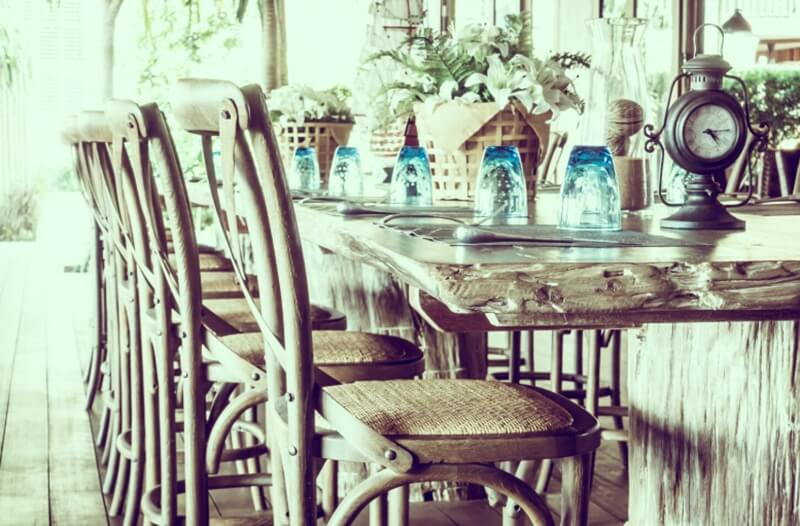
There was a tavern that appeared to be totally overrun on a recent Thursday night in downtown London. The bar was a wall of shoulders drinks clinking in rapid succession voices rising and overlapping. Just getting close enough to wave at the bartender took an entire minute. Nevertheless there were vacant tables when you turned a little to the left. whole groups of them. It wasn’t packed. That’s just how it felt.
This is no longer out of the ordinary. In fact it’s turning into one of the distinctive features of contemporary bar life: areas that seem bustling even packed but are just halfway full. There’s a feeling that something subtle has changed not only in the way pubs are operated but also in the way patrons walk around them.
| Category | Details |
|---|---|
| Topic | Pub Atmosphere & Customer Perception |
| Industry | Hospitality / Food & Beverage |
| Key Location | United Kingdom (with global parallels) |
| Key Figures | Kate Nicholls (UK Hospitality), Lucy Do (The DoDo Pub) |
| Core Issue | Perception vs Reality in Pub Crowds |
| Contributing Factors | Layout, sound, staffing, culture shifts |
Physical design has a part in it and once you start looking for it it’s difficult to ignore. The bar is the focal site of activity in many pubs particularly those that are older or were hurriedly renovated following the pandemic. Even if there is plenty of space elsewhere people instinctively congregate there. Density without volume a tight knot of energy that gives the appearance of a full house is the outcome. It seems almost theatrical to watch it happen as though the space is putting on its own production of “busy.”
Then there is sound which may be the most compelling form of deception. A dozen people conversing close to hard surfaces such as bare brick walls or wooden floors can create enough noise to simulate a much larger gathering. The space suddenly feels alive perhaps even thriving when you add a playlist that is humming just below the level of talk. Pub owners may have unintentionally contributed to this by modifying acoustics in ways that enhance presence rather than represent reality.
It’s less obvious staffing also has an impact. Many bars have fewer employees now that the epidemic and Brexit have changed the nature of the hospitality workforce. This will result in longer wait times slower service and more patrons hanging out at the bar. The crowd disperses more slowly now than it used to. Practically speaking a bottleneck that seems as popularity can be created when fewer customers occupy the same visual space for extended periods of time. It’s still unclear if that’s deliberate or just a result of economic pressure.
It’s also difficult to overlook the economics. Many pubs have been forced to cut back on hours or close parts completely due to energy expenses rent and labor. Nowadays it’s not unusual to see a bar using only a portion of its available space particularly during the middle of the week. The room is subtly reduced by the underused spaces which are either completely shuttered or barely illuminated. What’s left gets condensed almost curated. Even though the remainder of the pub is only out of sight you get the impression that you are in the “active” section of the establishment.
Consumer behavior has also evolved but not necessarily in clear ways. Though less often people still go out. A dull Saturday could be followed by a hectic Sunday. Due to hybrid work habits that cluster office days midweek evenings especially Wednesdays and Thursdays have become strangely dependable. It’s likely that instead of the constant hum they used to rely on pubs are suddenly seeing deeper dips and sharper peaks. Even a small throng can feel like a rush in the situation.
The psychology of expectancy is another. A pub only needs to feel shared to be successful; it doesn’t have to be packed. People are extremely sensitive to interaction and closeness. Life is often indicated by a few heated discussions a little laughter that spills over tables or someone squeezing past with three pints in hand. Chairs that are empty turn into background noise that is simple to ignore.
Beneath all of this however is tension. The image of bustling can work against bar owners like Lucy Do who once called the silence of a mostly empty Saturday night “soul destroying.” The promise of atmosphere may bring people in. However it can also conceal more profound unpredictability making it more difficult to assess a company’s health from one evening to the next.
It’s difficult to avoid the impression that bars are in a way adjusting to survive both financially and emotionally. They are learning how to produce movement loudness and warmth in lesser amounts as well as how to feel full even when they aren’t. It’s hard to tell if that’s a short term change or a longer term one.
One thing that appears definite is that the concept of a “busy pub” is no longer as simple as it once was. These days impression is more important than numbers. It’s hard to determine if that’s a subtle caution or a cunning illusion when you’re waiting for a drink at that packed bar with empty tables right behind you.
i) https://www.orangejelly.co.uk/licensees-guide/why-is-my-pub-empty
ii) https://www.boakandbailey.com/2022/11/why-and-when-are-pubs-heaving-or-dead/
iii) https://www.thetimes.com/travel/destinations/uk-travel/england/lo
iv) https://www.ukbusinessforums.co.uk/threads/off-putting-pub-regulars.292560/