
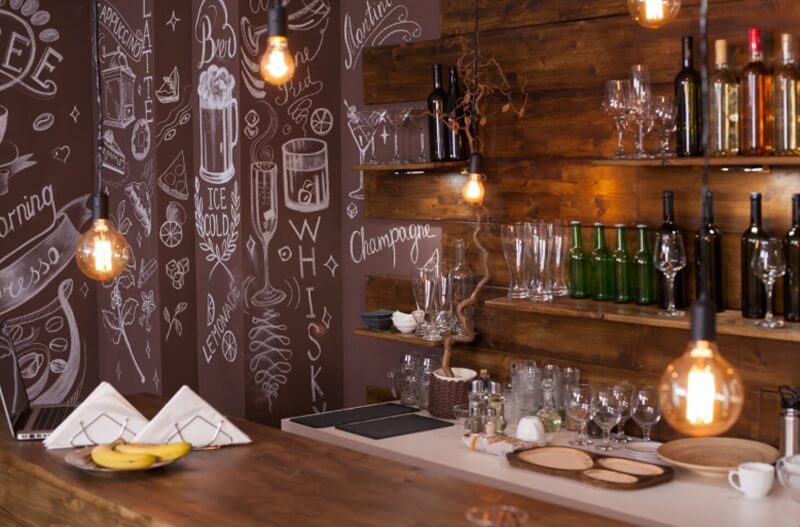
The bar in Britain has long been a place of ritual. A well known bar counter. Pint glasses clinking. Somewhere in the corner, a television is whispering about football. However, the mood at some bars nowadays seems oddly different. A tiny audience cheers as a mechanical bull rotates under neon lights in a Glasgow club. In a garden bar in Kent, patrons sip lager at wooden tables while opera singers perform under canvas tents. It’s an intriguing change that begs the question: are themed bars the next big thing in pub culture, or are they just a cunning diversion?
In recent years, hundreds of pubs in Wales and England have closed, and some have quietly vanished from the high streets of their communities, which traditionally relied on them as social hubs. The cost of operating a pub has skyrocketed. The cost of energy has increased. The cost of hiring new employees keeps going up. Even the basic pint, which used to be the most straightforward product imaginable, now provides businesses with unexpectedly narrow profit margins. In response to this pressure, a lot of bar owners have begun experimenting, transforming their establishments from merely places to drink into modest entertainment venues.
| Category | Information |
|---|---|
| Industry Focus | Hospitality / Pub & Bar Industry |
| Key Region | United Kingdom |
| Core Trend | Themed events, entertainment-driven pubs |
| Market Shift | Experience-focused nightlife |
| Notable Example Venue | Maggie’s Rock ‘n’ Rodeo (Glasgow) |
| Key Activity | Mechanical bull competitions, themed nights, live entertainment |
| Typical Attendance | Up to 500 guests for themed events |
| Industry Observation | Around 72% of UK pub-goers say themed events make them more likely to visit |
| Economic Context | Rising costs forcing pubs to innovate |
| Reference Source | https://www.pubandbar.com |
A night spent in Glasgow’s Maggie’s Rock Rodeo clarifies the concept. The pub is boisterous, lighthearted, and a little crazy. In the middle of the space is a mechanical bull, and as companions record the inevitable fall with their phones, guests alternately attempt to stay mounted. Although it’s not exactly the idea, the bull itself hardly makes any money from ticket sales. People reserve tables in advance, order meals, and stay longer. After the venue adopted a country music motif, beer sales apparently increased dramatically. It’s hard to ignore how the experience, the spectacle, has evolved into the actual product as you watch the action play out.
This is not wholly novel. Decades ago, British bars experimented with themed events, including quiz contests, Elvis impersonators, and late night singing sessions. For a period, modern cocktail bars or more subdued dining areas took the place of traditional customs. They’re coming back now, albeit with a somewhat different vibe. Operators discuss giving people a reason to leave the house more than gimmicks. In discussions within the hotel sector, that word frequently comes up.
It is the result of a larger cultural change. Younger drinkers don’t seem to be as interested in dedicating whole evenings to drinking. Many people would rather participate in participatory events, such as darts competitions, open mic comedies, craft classes, or even poetry readings in a pub garden corner. Nowadays, most people who frequent pubs agree that attending themed events increases their likelihood of going. These days, it’s more than just drinking. It’s about having a tale to share the next day.
It might be quite nostalgic to go through a pub that is hosting one of these events. Paper banners, tiny stage lights, and a themed cocktail menu produced that afternoon could be temporary decorations. However, there is a sense of community that is sometimes difficult to duplicate in regular bars. It is easier for strangers to communicate with one another. Groups stay longer than anticipated. Everyone in the room laughs at a quiz question. People seem to have come for an exercise but ended up rediscovering bars’ social side.
There is a tinge of doubt about the entire trend. Not all themed ideas are successful. Some seem unduly commercial or forced, like a marketing campaign masquerading as entertainment. After a few months, others just run out of novelty. Once the initial intrigue wears off, a tavern founded solely on a gimmick may quickly lose its appeal. Some venues can be experimenting more for practical reasons than for long term goals.
People’s evolving attitudes toward alcohol itself present another challenge. Low alcohol beverages are still becoming more and more popular, and an increasing percentage of adults in the UK opt to live alcohol free lives. This adjustment subtly modifies what pubs have to provide. Venues can draw attendees who might only order one drink or none at all while still generating a lively scene by hosting themed events, competitive games, and social gatherings.
Pubs seem to be rediscovering something essential about themselves while this transition takes place. Pubs were rarely merely places to drink in the past. They hosted celebrations, political debates, music, and community gatherings. The formula always included conversation and entertainment. It’s possible that themed nights are just a contemporary take on that custom, tailored for a generation that values experiences above routines.
It is more difficult to forecast if the trend will continue. Once novelty wears off or economic circumstances change once more, several themed pubs are likely to disappear. Others, however, might subtly change the definition of a pub. Yes, it’s a place to get a drink, but on a Tuesday night, something unexpected could happen there as well.
And maybe that very unpredictability is what draws them back. After all, a room full of music, laughter, and perhaps absurd entertainment still has a certain kind of enchantment in a time when most social interactions take place via screens. The kind that doesn’t seem at all like a gimmick.