
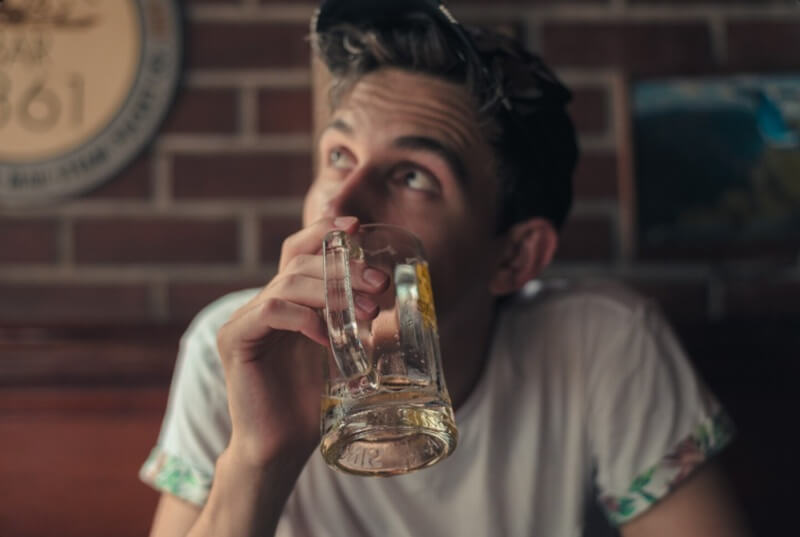
At first glance, the pub appeared nearly identical. The same menu on the chalkboard, the same oak bar polished from decades of spilled lager, and the same subtle scent of cooked chips coming from the kitchen. The taps, however, were silent. No swift tipping of gin bottles behind the counter, no pouring of amber beer into glasses. The alcohol was gone for a week. At first, regulars didn’t quite believe it. A man wearing an old football jacket gazed at the faucets as though they had betrayed him directly. Another asked the bartender whether this was a joke while leaning across the bar. It wasn’t. The pub had made the decision to completely ban alcohol for seven days as part of a health promotion and experiment. What follows is illuminating.
The first night was uncomfortable. Although there has always been more to British pub culture than just drinks, it’s hard to overlook how important alcohol is to the custom. The traditional routine of ordering a pint, securing a table, and settling in is what people expect when they go in. The room seemed to hesitate in the absence of that routine. Discussions began slowly. After one alcohol free beer, a few patrons departed, grinning courteously and shaking their heads.
| Key Information | Details |
|---|---|
| Topic | Alcohol-Free Pub Experiment |
| Focus | Effects of removing alcohol from a pub for one week |
| Related Health Topic | Alcohol withdrawal and short-term abstinence effects |
| Cultural Context | Pub culture and drinking habits |
| Type of Story | Social and health observation |
| Region of Relevance | UK and similar pub centric cultures |
However, on the second evening, an odd thing had occurred. The bar did not close as quickly as many had anticipated. Rather, it altered its personality. Glasses continued to clink, but they held sparkling water, ginger beer, and more complex alcohol free ales. Some college students started viewing the week as a novelty challenge. A complex mocktail that resembled a mojito but lacked rum was ordered. The bartender acknowledged that it initially felt uncomfortable and oddly at ease. The room’s tempo slowed when the alcohol stopped flowing.
People seemed to be observing themselves in a different light. It was evident that some regular drinkers missed it. For those who are used to drinking alcohol on a daily basis, withdrawal symptoms might manifest unexpectedly soon. Mild symptoms, including as nervousness, shakiness, and perspiration, might start within eight hours of the last drink, according to health experts. In more severe situations, symptoms peak in 24 to 48 hours.
There were no medical emergencies at the bar that week. However, minor alterations were apparent. One regular quipped about feeling oddly restless. Another said they had a hard time falling asleep the night before. These responses may have been partially psychological, but they resembled what scientists frequently report: the body acclimating to the abrupt lack of alcohol. However, not every alteration was detrimental.
A few patrons started making comments on something unexpected around the middle of the week. They were getting better sleep. Alcohol tends to induce rapid deep sleep, but it interferes with the critical REM cycles that replenish the brain during the night. Some customers reported feeling more alert than normal when they woke up without it. It was strangely intriguing to watch these tiny changes take place.
Instead of sharing a bottle of wine, one couple got herbal tea and stayed for two hours. They claimed to have discovered how frequently drinking was more of a habit than a desire. Another frequent participant acknowledged that the trial helped him realize how many calories he likely absorbed from beer on a weekly basis. A pint usually has more than 200 calories. The numbers rise rapidly when you multiply that over a number of evenings.
By Thursday, the vibe inside the tavern was almost playful. The benefits of conventional beer vs alcohol free stout were discussed. Earlier in the evening, a number of office workers started to show up, saying they enjoyed leaving the bar with enough composure to ride their bikes home. It’s still unclear if this conduct was motivated by the novelty itself or if the lack of alcohol actually changed the mood.
However, the atmosphere in the room was different. quieter. less disorderly. The customary late night debates about football scores didn’t quite break out. There were nearly no heated voices and fewer spills, according to the staff. One bartender acknowledged that the shift made the work easier, which may sound a little contentious in a pub.
The weekend then arrived. There is usually a lot of activity on Friday nights, including loud music, packed tables, and pints piled high on the bar. Without booze, the exhilaration faded but didn’t disappear. The atmosphere was more café than nightclub, although the pub was packed. Many customers stayed out of curiosity, but a handful came in expecting their customary drinks and left dissatisfied.
On Saturday, there was probably the most fascinating moment. After finishing his alcohol free lager, a man who had obviously anticipated a drinking session halted and shrugged. To be honest, this isn’t as bad as I thought,” he remarked. That seems to be a typical response. Those who thought the week would be impossible found it was only different. According to health researchers, even brief abstinence from alcohol can have observable advantages, such as better hydration, less digestive issues, and occasionally a modest drop in blood pressure after a few weeks. While a single week is insufficient for significant physical change, it might produce awareness.
Awareness has great power. The employees of the pub were getting ready to bring booze back by Sunday night. The taps would run again the next day. The majority of patrons expressed excitement about it. Something had changed the week without alcohol demonstrated the extent to which social life is intertwined with drinking habits. However, it also demonstrated that the bar itself the peaceful comfort of familiar faces, laughter, and conversation does not vanish when the drink does. It’s difficult not to wonder whether more bars would try it in the future as you watch the experiment play out. Even for a moment. not in place of custom. simply to observe what transpires during the interval.