
No one directs you to a seat. There’s no velvet rope no laminated seating arrangement and no host at the entryway. You enter take four seconds to scan the space and make your decision. It turns out to be a shockingly honest self portrait made unconsciously usually before you’ve even chosen what to drink.
The majority of individuals might not have thought about it at all. However if you spend enough nights at bars observing where various types of individuals wind up a pattern will become apparent. As consistently as the tides the same archetypes show up in the same spots every week. With a subtle sense of territorial certainty the elder regulars secure their seats. Uncertainly hovering close to the door the newcomers look about for a place that feels right. Almost none of the social grammar that is being displayed on those dusty rugs and sticky tabletops is spoken aloud.
| Field | Details |
|---|---|
| Topic | Pub Seating Behaviour & Social Psychology |
| Setting | The British Public House (Pub) |
| Origin of Pubs | 1830, following the Duke of Wellington’s Sale of Beer Act |
| Number of Pubs in London | 3,000+ |
| UK Pub Closures since 2000 | ~15,800 |
| Top Factor for Choosing a Pub | Good atmosphere (cited by 56% of people, YouGov 2015) |
| Cleanliness Impact | 70% say poor cleanliness would stop them visiting or returning |
| Customer First Impression Window | Within 15 seconds of arriving |
| Visits to Convert a Passer-by to a Regular | 3–4 visits on average |
| Key Seating Psychology Factors | Visibility of room, proximity to bar, privacy, warmth, escape routes |
| Reference / Further Reading | YouGov Pub Food & Drink Report |
Start with the person who goes directly to the bar and remains there. Not only to provide commands but to settle perch and raise a flag. This person desires to be part of the current. By the second drink they will know the name of the bartender. Without being asked they will participate in other people’s conversations and confidently share their thoughts on sports and life. It’s difficult not to see a certain generosity in this an openness to whatever happens that evening. Because they have made up their minds not to be lonely the bar sitter is rarely lonely.
Then there’s the individual at the corner table who moves past three perfectly good chairs in order to get the one that’s closest to the entrance. usually with a direct view of the entryway. This is more of a preference to watch than to be watched than paranoia. Psychologically it tracks: researchers that examine social behavior in settings such as restaurants and bars frequently discover that people prefer positions that provide what could be referred to as defensive comfort like as facing the wall with their gaze forward. The individual who sits at the corner table is usually the most perceptive; they frequently recall who was seated where what they heard and who departed with whom.
An altogether different beast is drawn to the window seat. Someone who desires to be inside the warmth while quietly keeping a watch on the outside world. They are not in a rush and order something thoughtful such as a half of something intriguing or a gin they’ve researched. They may possess a book. People who sit by the window are more at ease with their own company than the majority of bar sitters and there’s a certain contentment about them that depending on your personality may either be envied or a little unnerving.
A new kind of analysis is needed for the large group seated at the pushed together tables in the center of the room. None of them would have selected the center on their own because it’s exposed you can’t lean against anything and someone invariably ends up facing a stranger. But they don’t care as a group. The enclosure is the collective. They create their own atmosphere making it so loud that they hardly notice the pub’s current character. Whether or if you are one of them will determine how cute or annoying something is.
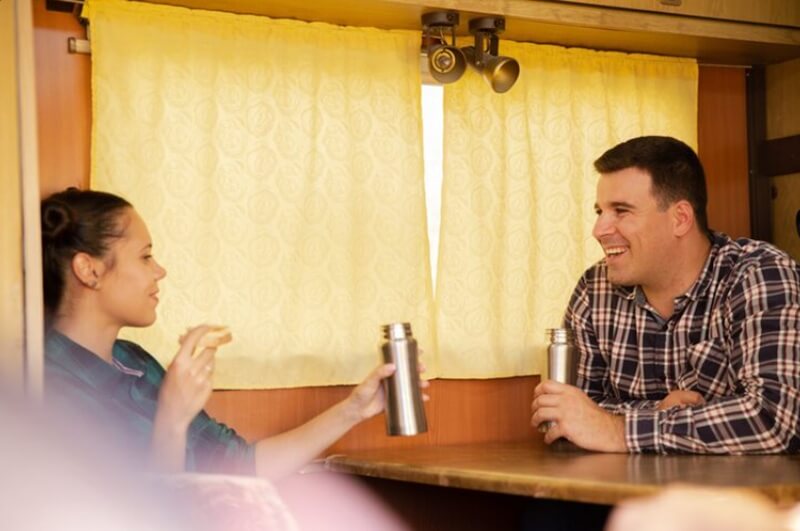
Additionally there is the couple who sit side by side instead of across from one another with their elbows nearly touching and both facing outward. It is not a coincidence. It implies a relationship between two individuals who have figured out how to just exist in the same direction and are at ease enough not to require eye contact as a performance. Conversely sitting across from one another suggests an agenda a discussion to be had a problem to be resolved.
The instance of the lone drinker is possibly the most intriguing. A person’s choice to drink by themselves can disclose a lot. They are allowed to look elsewhere if the quiet gets too loud such as near the CAMRA magazine rack or at the end of the bar closest to the window. These are the people who without being obligated to do so seek only a small amount of the pub’s ambient humanity. The bar has always fulfilled this role and it’s one that should be maintained: a location where you can spend time alone with others while being reassured by the sounds of their life without having to worry about your own.
If you sit anywhere long enough to observe you’ll realize how fast individuals take ownership of a space. After a few trips the regulars acquire what can only be called property rights over specific tables; these rights are fully known but not legally recognized. You’ll notice a slight coldness and a brief break in conversation if you enter the wrong corner. There are unwritten rules in the pub that go well beyond whether or not to leave a coat on a chair and when to enter the bar.
It’s still unclear if this territorial instinct is just habit wearing the preferred costume or if it represents something more profound such as a need for consistency in social settings for a specific time each week. Maybe it makes no difference. In any case it could be worth stopping for a second the next time you enter a pub and feel drawn to a certain corner. Shortly. Only long enough to wonder why. You will probably learn something from the response that the Myers Briggs questionnaire did not consider asking.
i) https://www.tripadvisor.co.uk/ShowTopic-g186338-i17-k10005766-Pub_Seating-London_England.html
ii) https://www.pulltabsports.com/blog/whereyousitatabar
iii) https://www.boakandbailey.com/2020/06/the-best-seat-in-the-pub/
iv) https://www.greenekingpubs.co.uk/insights/choosing-right-location